Rainy June Days

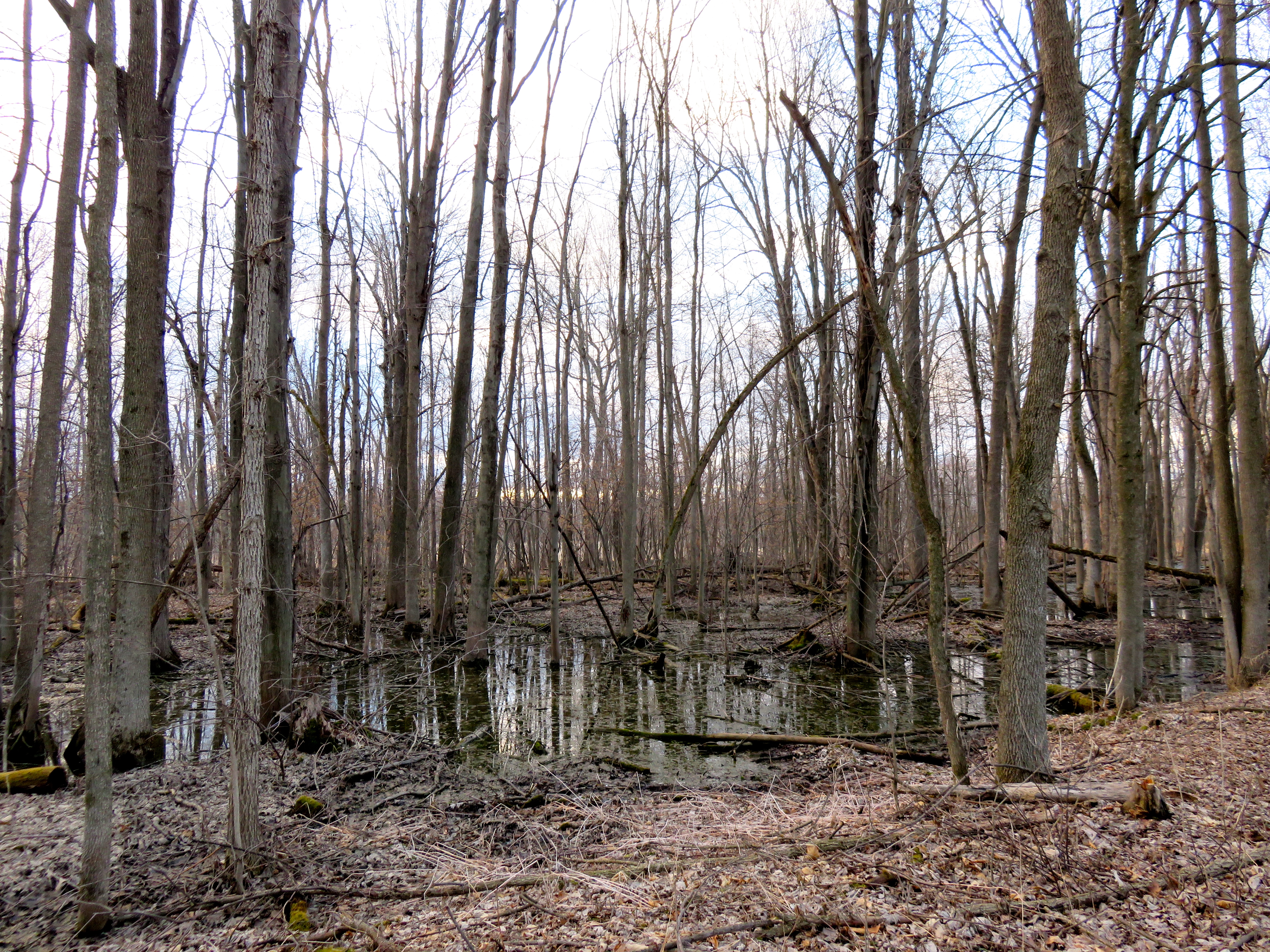
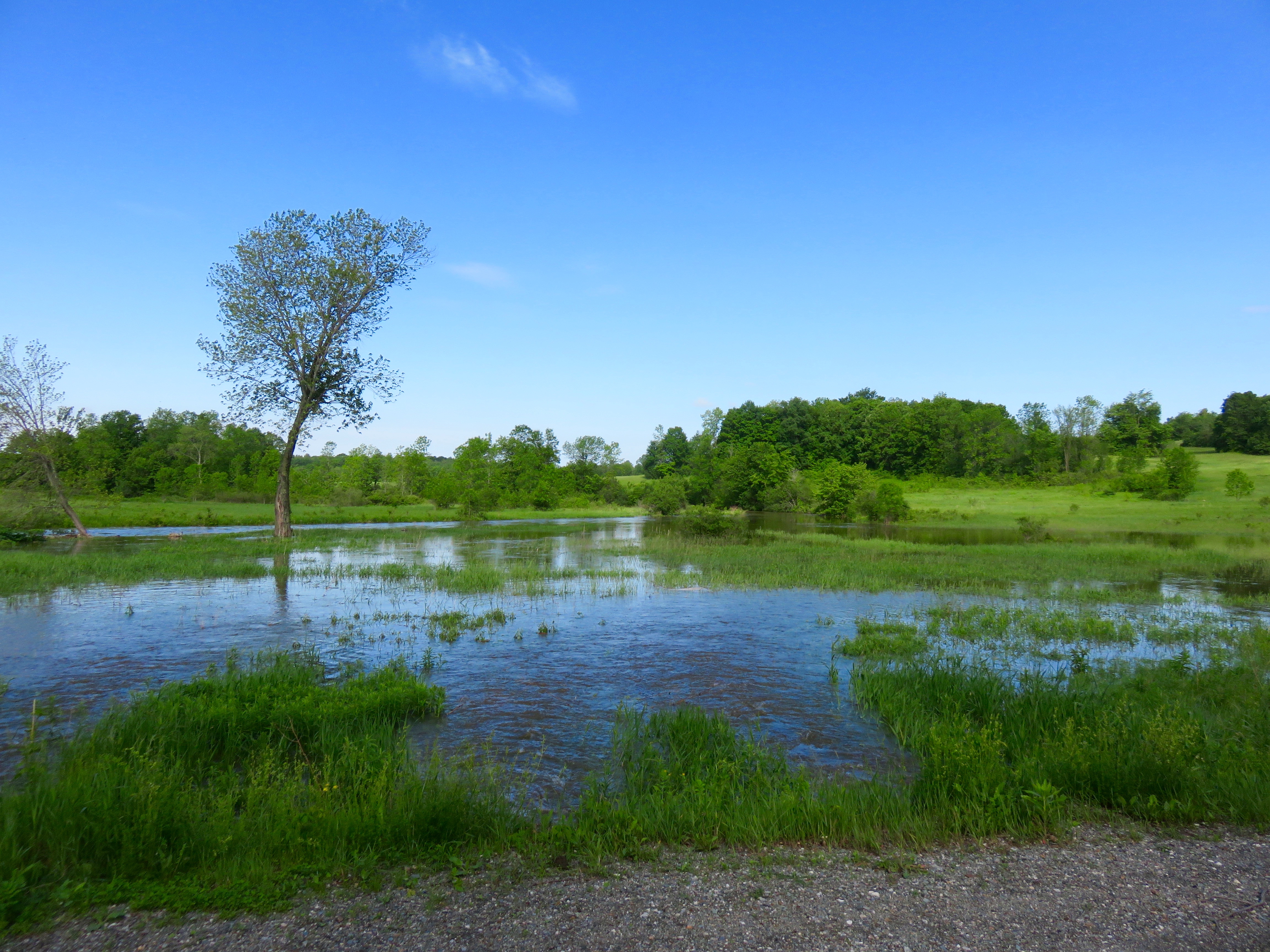
IMG_0481It is sunny and warm this morning. It feels like summer. The sun is up, the air is humid. A Cardinal belts out his whistled song. The meadow grass bows. Across the road, the flood waters recede. It has rained for several days now, sometimes coming down hard. The river rose, then rose higher, then spilled into the fields.

My son and I wandered out into it a couple days ago. We chased frogs. They sang loudly enough to hear them across the field, but when we approached closely they clammed up and stayed hidden. Too shy for mammals I guess. We tromped through the new swamp, my cracked mud boots filling with water. We bushwhacked through the stand of willows, getting scratched and soaked. It was a blast.

Yesterday morning I wandered out to see how much flooding occurred. The field around the river with filled, although I have seen it higher. Water did not cover the road. Mallards swam far out, dabbling in the grasses for slugs. A Great Egret flew in later, wading through the pond, seeking out those frogs we heard. Maybe it would have better luck. A Great Blue Heron arrived while we ate dinner on the porch.

Already the water has dropped. The river will be within its banks today. Rain will likely fall again tomorrow. Thunderstorms will pop up more than once this month. June is here, and she is wearing summer. She looks lovely.

Mountain Birdwatch Survey on the Skyline Trail 2015

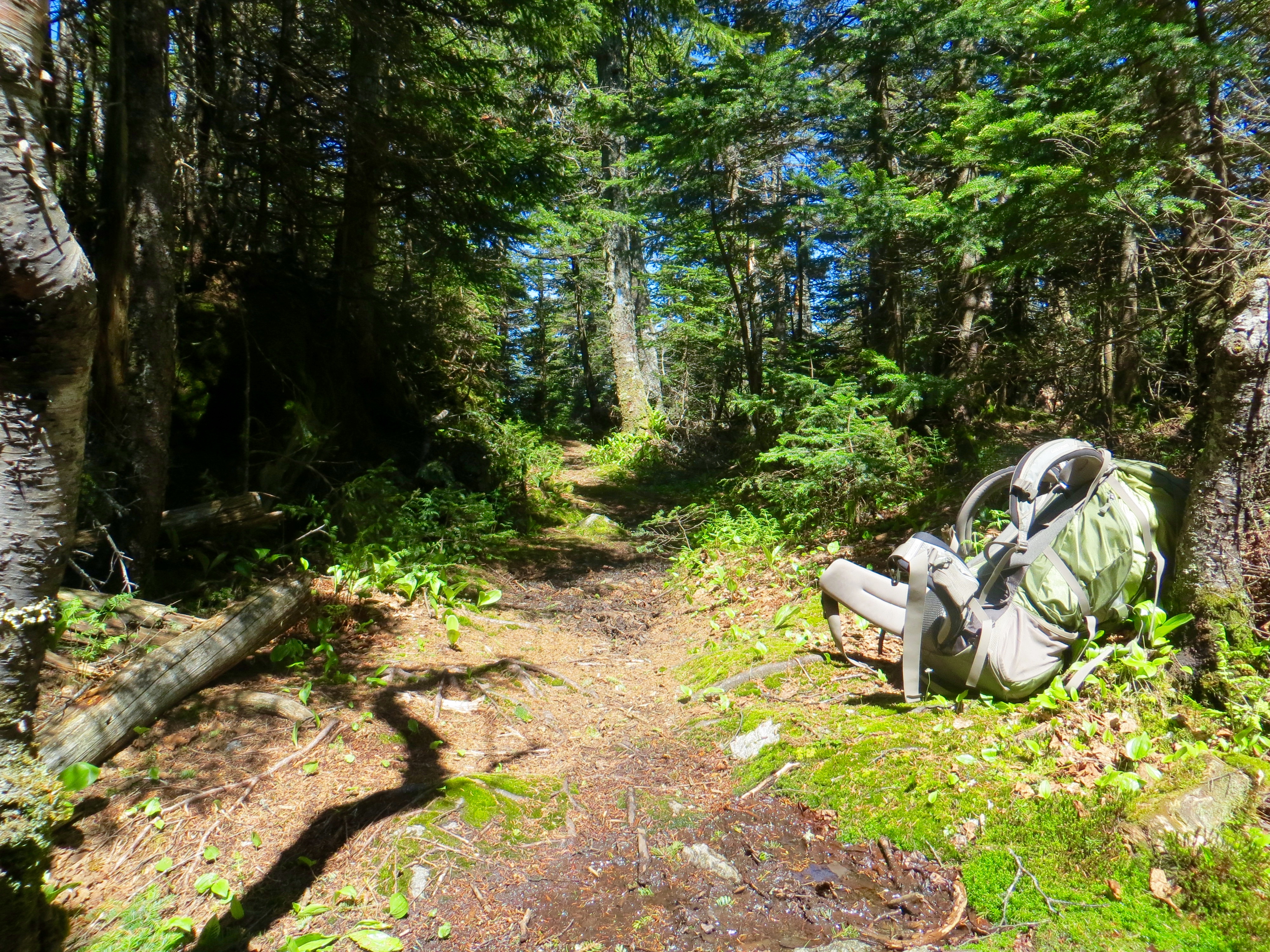
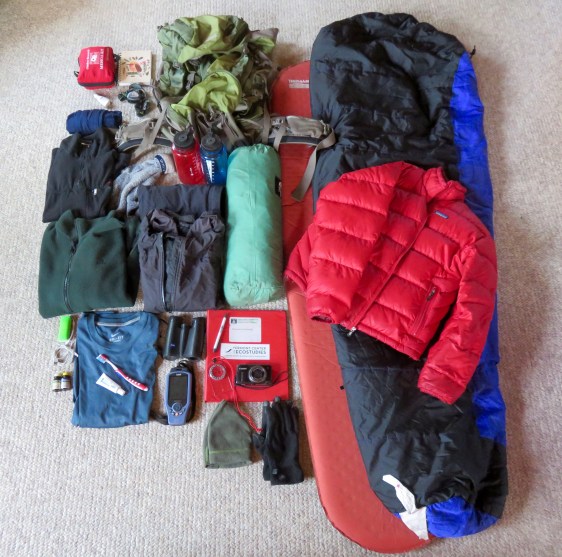
IMG_0466Pictured here is most of the stuff I carried up to the Skyline Trail for my Mountain Birdwatch survey up there this year. I have participated in this citizen science initiative to monitor high elevation songbirds for 16 years now. This was my fourth year on this route, which requires a solid hike in. Not pictured above are the clothes I wore (including hiking boots), a small bag of food (I pretty much snacked the whole time as cooking requires a stove I did not want to carry) and an iPhone (for emergencies and to use as a stopwatch for the survey).

Back in 2000, the first year of the survey, I rose early and walked about my door to hike up to my survey route. I lived in Bolton, at over 2,000 feet elevation, and the route was only a short hike away. The survey’s methods were also different then, with fewer birds to monitor and less time required. I could rise at 5:00 to start by 6:00. This route is different as is the survey. Now I drive an hour, hike three hours, and I need to start about 4:00. When I first adopted this new route, I did the math to figure out what time I would need to get started if I did not spend the night up there. Including prep time and longer hiking time in the dark, I figured starting at 10:00 pm would do the trick. So spending the night just made sense.

Let me tell you, that hike is a beast. It seems like it shouldn’t be that hard. It is only about three miles. A 5K is about three miles, and my 10-year old kid can do that in 45 minutes or less. This, however, is no 5K. The route starts off easy enough, on a well-traveled trail up to the Stowe Pinnacle. Yesterday, as usual on a sunny June day, there were scores of people hiking up and down. I always feel a little odd hiking past people who are wearing running shoes and white T-shirts with my full pack (especially on the way back down when I am covered in mud and sweat and smashed black flies).

The beginning of my hike--easy going on a blue bird day.

The beginning of my hike–easy going on a blue bird day.

After a mile I peel off onto a trail leading up to the ridge. That trail is steep and rocky and covered in roots and slippery and downright tough. Few people go up there but I always seem to see those few, usually when I am talking aloud to myself and they are suddenly upon me. Despite my embarrassment I keep plodding and make it to the ridge. This time I did not take a break until I hit the Skyline Trail. I needed a break at that point.

Pack off at the Skyline Trail junction.

Pack off at the Skyline Trail junction.

At this point I only have to hike along the ridge to Point One, near where I will camp for the night. This is a mere mile, so no problem. At least I think that every time. But that mile takes another hour, with steep up and down (there is a ladder at one point) on a slippery narrow trail. I need to stop to fill water bottles along this stretch, as there is only one water source up there. Eventually I get to my spot and set up camp. Then I take a longer break.

But I’m not done yet. Part of the survey is counting cones. When there is a mast year (a year where there is an abundance of cones) the squirrel population booms. Lots of cones means lots of seeds inside for squirrels to snack upon so lots of them survive that year. But then all those cones are not there the next year and the squirrels are. One substitute food source for them is bird eggs. So there is a connection between cones and nesting birds. Once I set up my tent, I traveled the survey route and followed the protocols to count the cones. And let me tell you there are lots of cones this year. This counting took quite a while so by the time I got back to my tent I was ready to rest.

Compounding the usual challenge of this route were all the fir tops. An ice storm this winter did lots of damage on I wondered as I hiked up (among many many things) if there would be any damage up high. There was. The top sections of fir trees were snapped off and lying all over the place. Many of these, of course, were lying across the trail. Some were small (think mini Christmas trees) and some were like full trees themselves. That slowed me down a bit (plus needles stuck inside my boots and down my shirt as I climbed over or around or through). I stopped at one point and counted them–I could see 18 from that spot.

Tree tops everywhere!

Tree tops everywhere!

In the end, the survey was successful. I heard Bicknell’s Thrush, the main target species, several times. Plus I heard Blackpol Warblers, Swainson’s Thrushes and Yellow-Bellied Flycatchers all for the first time this year. It was a beautiful day in a beautiful place. I was tuckered when I got back to the car. I stopped for a couple pizza slices on the drive home and called it good work.

I took on a second route this year as well but that one does not require such a tough hike. It will feel like a cake walk. This route, however, has pretty high rewards. Lots of people can run a 5K but most wouldn’t do this hike to get up at 4:00 am and not have a view. Apparently, I would.

Diverse Neighborhood

IMG_0436

House Wren

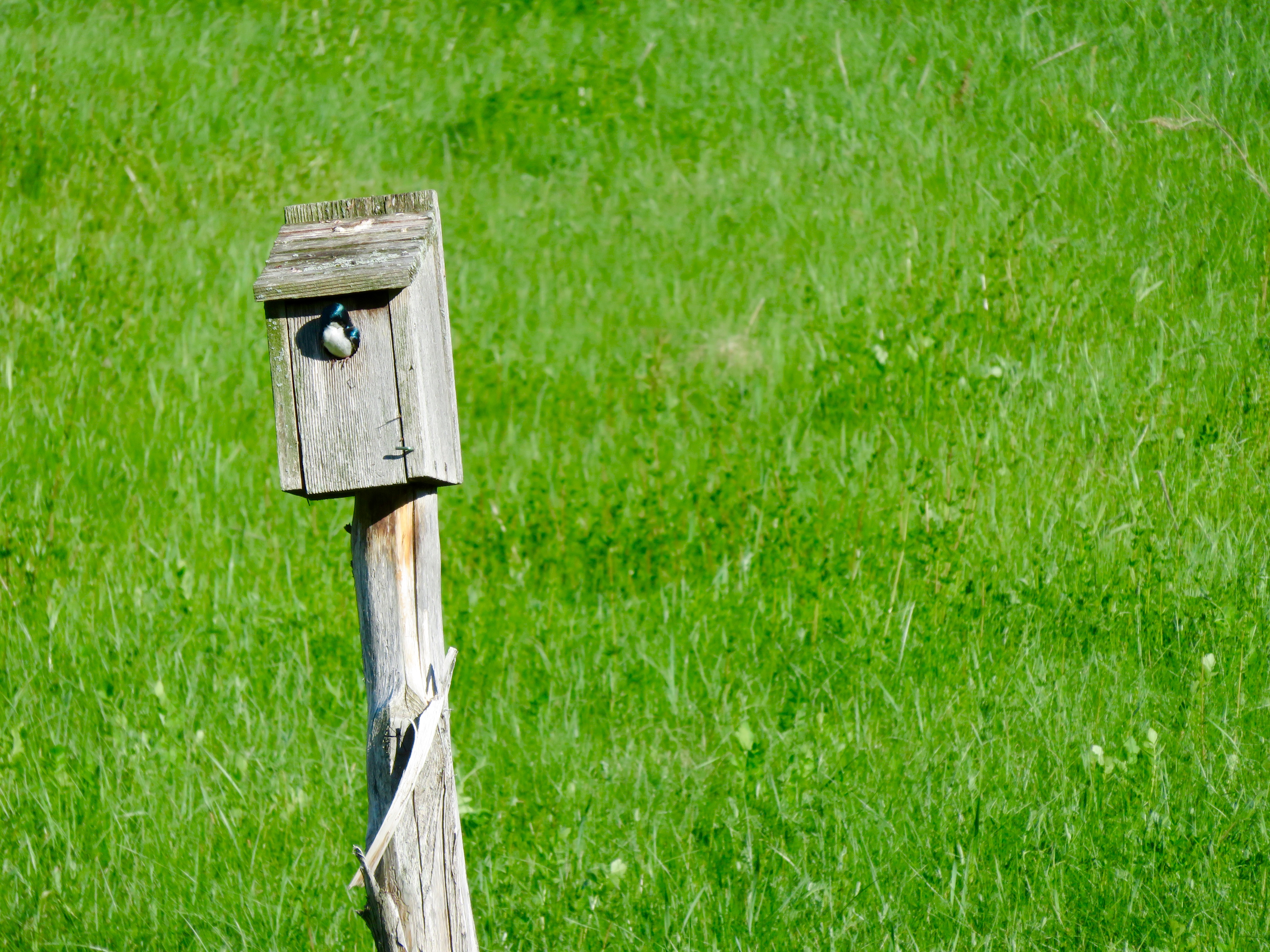
In front of our house we have four birdhouses on posts. There were a few of them on a fence when we moved in. We took out the fence. I hammered in a few cedar posts. I replaced the birdhouses. In past years we have had bluebirds nesting in one of them. Swallows have nested as well, sometimes in two boxes at once. The bluebirds seem to favor the one closest to the sugar maple. The swallows like the one that is the most in the open. One of them gets used by the bluebirds when the swallows take over their favorite. The one on the end, however, next to the tall spruce, has never had residents. This year, however, the wrens moved in.

House Wrens have nested in the old Christmas tree stand next door for several years. They have been pretty reliable. If I walked past in the morning, I could count on them singing their bubbly, and loud, song from the dense needles of the firs. This year they have decided to nest in that long-empty box near our house. Every morning now, and much of the rest of the day, I hear the male singing. He is loud. Every day I am amazed that such a small creature can create such a complex song and belt it out with such volume. That little dude has heart.

So this year we have three birdhouses in a row with different birds nesting in them. The Eastern Bluebirds pop in and out of the maple tree to their abode. The Tree Swallows zoom in fast to theirs after grabbing insects in the air over the field. The House Wrens hide in the spruce or the forsythia as they zip back and forth to theirs. It is quite the family neighborhood.

Eastern Bluebird

Eastern Bluebird

Tree Swallow

Tree Swallow

Looking for Bobolinks

IMG_0410

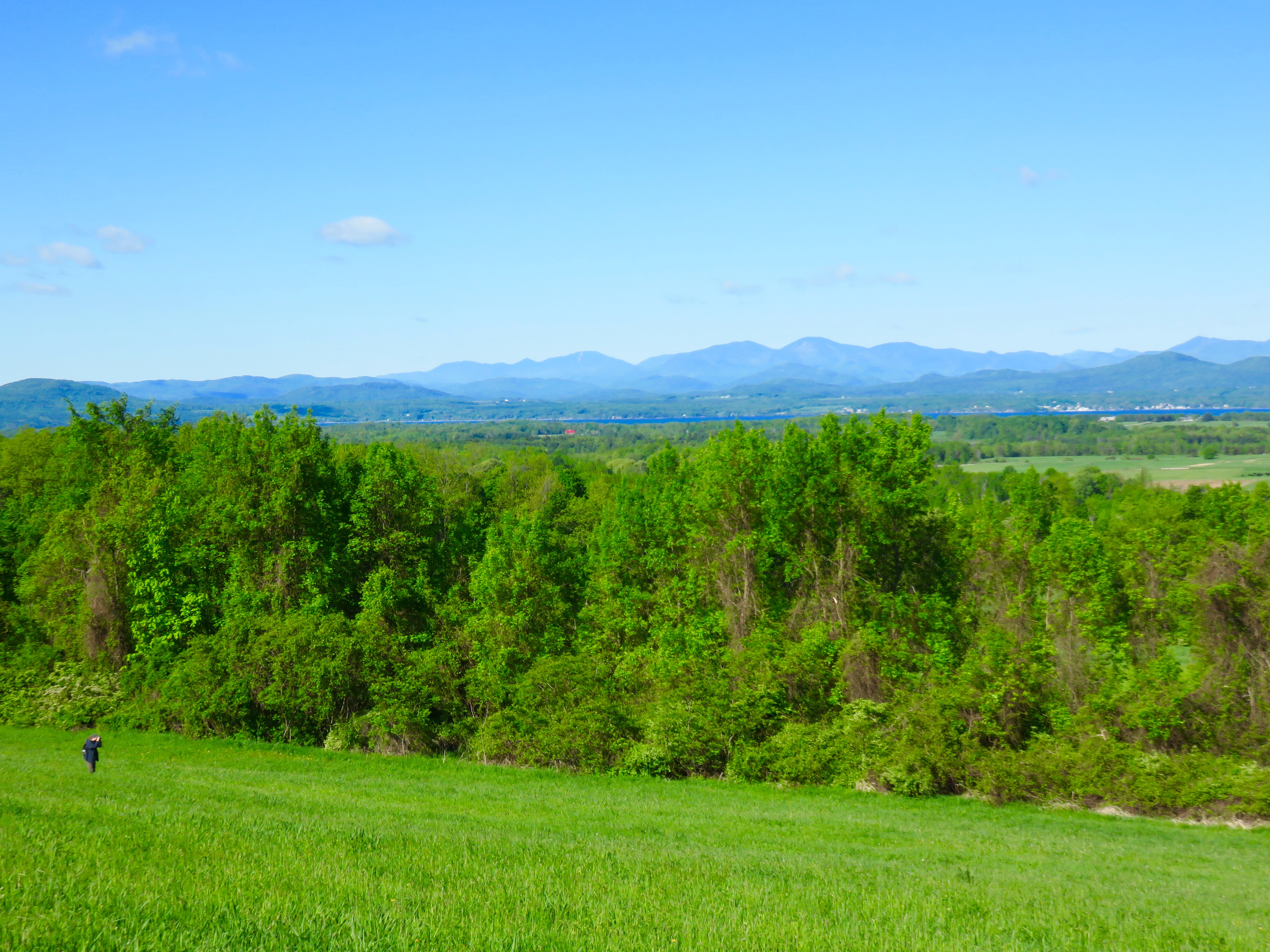
Can you see that Savannah Sparrow that landed in that tree?

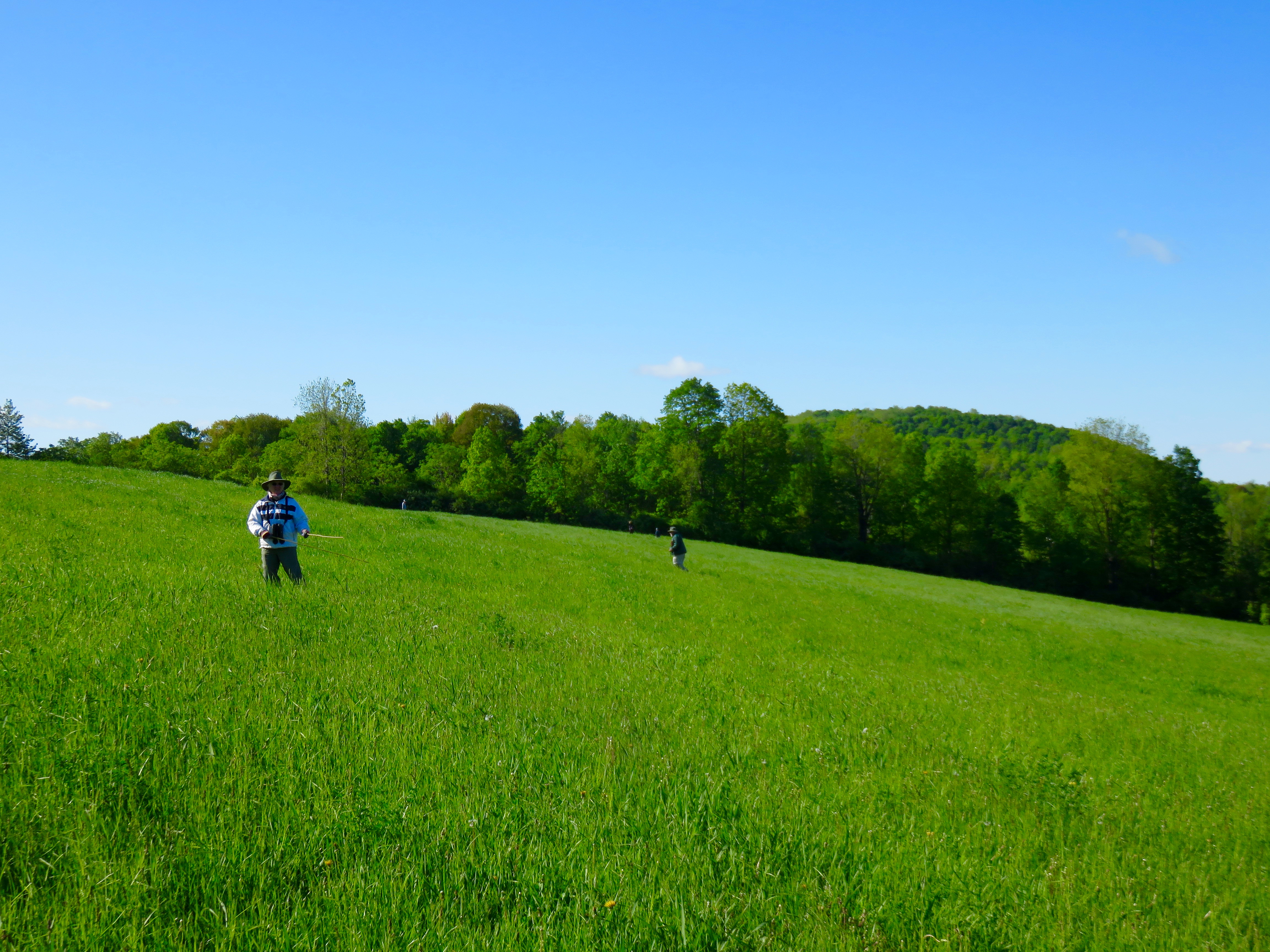
This morning I volunteered to help look for Bobolinks and Savannah Sparrows. As part of a long-term study to learn about the health of ground-nesting bird populations, the idea today was to look for birds that had been banded in the past. A group of us met at Shelburne Farms, whose fields are a large part of the study, split into two groups, and headed out to beat the bushes grass.

The idea was to flush birds from the ground and to try to see if they had bands on their legs. There are a few types of bands so we got a quick tutorial before we started stomping across the meadows. To help flush birds before we were right on top of them we swished the grass with thin bamboo poles. Once the birds were airborne we could watch them through binoculars to see if anything bright stuck to their legs. Our group headed to Charlotte, to fields adjacent to Shelburne Farms, and right away we encountered Bobolinks. We saw half a dozen, plus a few Savannah Sparrows, but none of them had bands. We tried a few meadows divided by rows of trees and shrubs. Lots of birds but no bands. IMG_0409We then drove to another, nearby, field. Their were lots of Bobolinks here, maybe 15-20 of them. There were males and females, flying all over, the males singing like mad. The females have started laying eggs (they lay one a day for about four to six days) and apparently this drives the males a little loony. They burbled and gurgled and chirped away. We all had some great looks at these beautiful birds but again, saw no bands.

So we learned that there are some Bobolinks and Savannah Sparrows in all these fields (the other group managed to find one bird with a band) but it didn’t add much to the data. We did find one Bobolink nest. That was pretty cool. The eggs in it are not being incubated yet, as there were only two of them (they lay one egg per day for four to six days before settling in to get them to hatch); seeing that made the morning worth it. Plus, on the way to one field we all saw a Blue-Winged Warbler, an uncommon bird and one that I had never seen until last week. I even got a photo of that one. No Bobolink photos–I was too preoccupied with my binoculars–but I may get a chance to volunteer again when these folks come back to survey in June. I will try to remember to get photos of the actual birds then.

IMG_0418

Bobolink nest

Blue-Winged Warbler

Blue-Winged Warbler


Earth Day Birding

IMG_0217I got up early this morning after sleeping out on the porch with my daughter. She had one side of the U-shaped couch. I had the other. She didn’t wake up until I left. In fact, she didn’t wake up until long after I had gotten home. I headed to Shelburne Pond before the sun came up. It was cool–39 degrees–and mostly clear. I had about a half hour before the sun rose.

There were the usuals singing away–Red-Winged Blackbirds, Swamp Sparrows, Chipping Sparrows, Cardinals, among others. A few Canada Geese paddled about not far from shore. A Wood Duck was silhouetted against the water. I hiked up the trail after watching the water for a while. The sun rose as I walked the woods.

I saw four Downy Woodpeckers chasing each other around and chirping at each other. I had never seen that before. I heard something singing down in the wetland–something whose song I could not remember–but I never got a look at it. I saw some Ring-Necked Ducks and a Common Goldeneye diving for breakfast. Then I saw an owl. OK it wasn’t an owl. I saw an owl in the same spot once before so I imagined it was an owl. It turned out to be a hawk.

I always think Red Tailed Hawk when I see any hawk, because they are so common, but it clearly wasn’t that–too small and the wrong markings. I have gotten to the point where I try to notice key details right away. Does it have bands on its underside? Does it have bands on its tail? What color is its back? That kind of thing. Right away I narrowed it down to three possible candidates. Once it flew and I got a better look at its tail, I narrowed it down to two. I walked up the trail further and then I heard it call. Boom: Red Shouldered Hawk.

Red Shouldered Hawks are not common around here. I have seen them several times in Florida, and once last year at another nearby location, but never at this spot. Looking for birds is full of surprises like that. I so was not expecting to see a Red Shouldered Hawk. Nice way to start the day.

In the afternoon I headed to Lagoon Road. This is a birding hotspot these days as migrating birds find the wet areas there a great place to stop over. It is next to a water treatment plant, which seems to be a favored spot for birds in lots of places. Right off I saw Northern Shovelers, one of which is pictured above. Check out the schnozz on that dude! I had seen them from a distance on Lake Champlain about a month ago for the first time, and these were right there. So cool!

I also saw a whole bunch of sandpipers. They only pass through here in spring and fall. They breed up north. A couple were here earlier than usual so, again, it was exciting. I added three new birds today for my list for the year. Not bad for a rainy Earth Day. If it isn’t raining too hard in the morning I will rise early and try to be surprised again. And I’m guessing I will be back before my daughter wakes up. I won’t be getting her to listen to a dawn chorus with me any time soon, I can tell you that.

Early Morning Looking for Rusty Blackbirds

Purple Finch Singing Up a Storm

Purple Finch Singing Up a Storm

I will tell you right off I was not successful in finding Rusty Blackbirds. The day was right, the habitat was perfect, but they were just not around. They don’t stay here. They just pass through on their way north this time of year. I was hoping I might catch a few along their way. Not today.

I rose pretty early and was up at the South Hero Marsh Trail by 6:00. It was a cloudy day so it was just light and the birds were already singing. The trail is an old rail bed so it is pretty much a straight line, running alongside a marsh with reedy areas and open water. I could hear geese out on the  water and a loon called a few times. Grackles and Red-Winged Blackbirds and Robins were trying to outdo each other. The place is thick with silver maples and large wet areas, puddles of a sort, dot the forest floor. I was hoping one of the rust-colored blackbirds might be flipping leaves looking for some breakfast next to one of those puddles. Breakfast, apparently, was served elsewhere today.

Perfect Place to Find Rusty Blackbirds

Perfect Place to Find Rusty Blackbirds

I did find a lot of birds. Woodpeckers ruled the place–Flickers and Downies and Hairies. I got a good look at a Golden Crowned Kinglet, my first sighting of the year, and then another of a Ruby Crowned Kinglet. I saw Wood Ducks and Green-Winged Teal and watched a Purple Finch sing up the morning. Ospreys soared overheard, crying out, and Snipes whistled over the wetland. It was a great morning to be out, even if it was chilly enough for the down jacket.

I stopped for coffee on the way home. The cashier asked if I was going fishing. Fishing season opened last weekend in Vermont. I told her I was not. I had already been out for two hours but I just said “No, not today. Good day for it though.” And I headed home, looking forward to a hot omelet.

Kiildeer trying to sneak by

Kiildeer trying to sneak by

High Water and Warming Up

IMG_5893

Gulls watch the roaring Winooski River up close

I took some time to walk briefly after work today. I walked along the river in Winooski. I thought I might see if I could find some spring migrating birds. The river was high. It roared. I could hardly hear any birds singing until I had walked far enough away. Lots of snow is melting. There was lots of snow this winter. It will be melting for a while.

I saw a few birds–Red-Winged Blackbirds, Hairy Woodpeckers, Tufted Titmouse. The usual types. I ducked off the trail at one point to listen and look. I saw some movement by a large puddle under the silver maples. I pointed my binoculars and saw a Rusty Blackbird. Boom! That is a fine bird to see. They are more and more uncommon and I had given up on seeing one this spring. I certainly wasn’t expecting to see one today. But there it was.

I like that about birding. I go out and just hope to see something. Sometimes one bird makes it all worthwhile. That happened today. It like to see whatever I see but most of the time there is some surprise. First White Throated Sparrow of the year, or a Catbird still around in December, or a Rusty Blackbird when I had not expected to see one. The unpredictability is a gift. Not being in control makes me feel more connected to the world. Being a spectator can take away the stress of modern life. It gives me a good sense of perspective.

Tomorrow morning I will rise early and go somewhere to look and listen again. I may see nothing new. But I am sure I will see something interesting. Hopefully I will be surprised. It should be a fairly warm morning. That alone will make me feel good.

Spring Edging In

IMG_5890

I was pretty cozy in bed this morning but I got up early anyway. It was cold out (below freezing!) and I had woken early. I wavered. I waffled. But then I remembered that spring migration is underway. In Vermont. We’re talking a very short season. I got out of bed.

I watched the sky turn pink before the sun rose. I watched the sun rise. I listened to lots of birds singing: song sparrows, cardinals, red-winged blackbirds, phoebes, mourning doves, swamp sparrows, even  a ruby crowned kinglet. It was cold but it was a beautiful morning. How can I regret watching the sun rise on an early spring day?

I wasn’t the only one out there. Often at that hour I see no one else. OK really I almost never see anyone. And I say almost because I saw a bunch of people today. A car passed, a dog walker, a runner, a biker. I got one of each. That meant no chance of seeing ducks on the river. They are skittish. I walk as stealthily as I can as I approach the river, but if someone else has just passed, forget it. No ducks for me. I did see a wood duck pass over at one point, so at least there was that.

Every day now new birds are coming back north. I saw my first kingfisher of the season this afternoon. I also saw a flock of bohemian waxwings in Burlington this afternoon–they will soon make their own journey north, leaving these southern climes behind. I will try to get out there as often as I can these next couple of months. I would hate to miss something passing through.

Woodcocks are calling in the early evening. The sun goes down and wood peepers start wood peeping. Daffodils are starting to pop up. The buds on the trees are budding out. Sugaring season is winding up. Soon it will be green–too green to see through the woods. That makes the birding harder but it sure looks fine. I’ll get out of bed for that too.

Vultures and Frostiness

IMG_2490Yesterday I worked for the day. Driving north toward Burlington I looked up to see three Turkey Vultures circling. I was so excited I had to pull over. Then I saw four Canada Geese looking for spot to set down. It was cold–22 degrees according to the car thermometer–but they have returned. I took a walk by the Winooski River at the end of the day, hoping to spot some birds newly arrived. No dice but I did see a couple of Cedar Waxwings. They have not been common in my haunts this winter.

As I brushed my teeth this morning my wife was excited to pop upstairs and tell me a Red-Winged Blackbird was right outside. And there it was. I walked outside and saw a few more. This is the first I have seen of them this spring. The past couple of years they have arrived a little earlier, but I hear there has been some snow farther south. That may have held them up.

I woke this morning to 11 degrees with a high forecast to be 19. Winter today. Snow flurries at the moment. The sun will be out, however. At some point. We have had some frosty mornings lately but it won’t be long before spring grabs the days and runs with them. I try to be deliberate about noticing the transition to spring. So often I hear that spring arrived “all of a sudden” when it really has been trudging toward us for a while.

I lit a fire in the stove this morning. The rising sun is melting the frost. Just about a year ago we had a big storm with two feet of snow. That doesn’t look to happen again this year, but March isn’t over yet. We will have a cold one today, then the sap will be running and the roads will be mud. Today it smells like wood smoke. Tomorrow it will smell like thawing earth.

A Little Birding on the Gulf Coast

IMG_5778

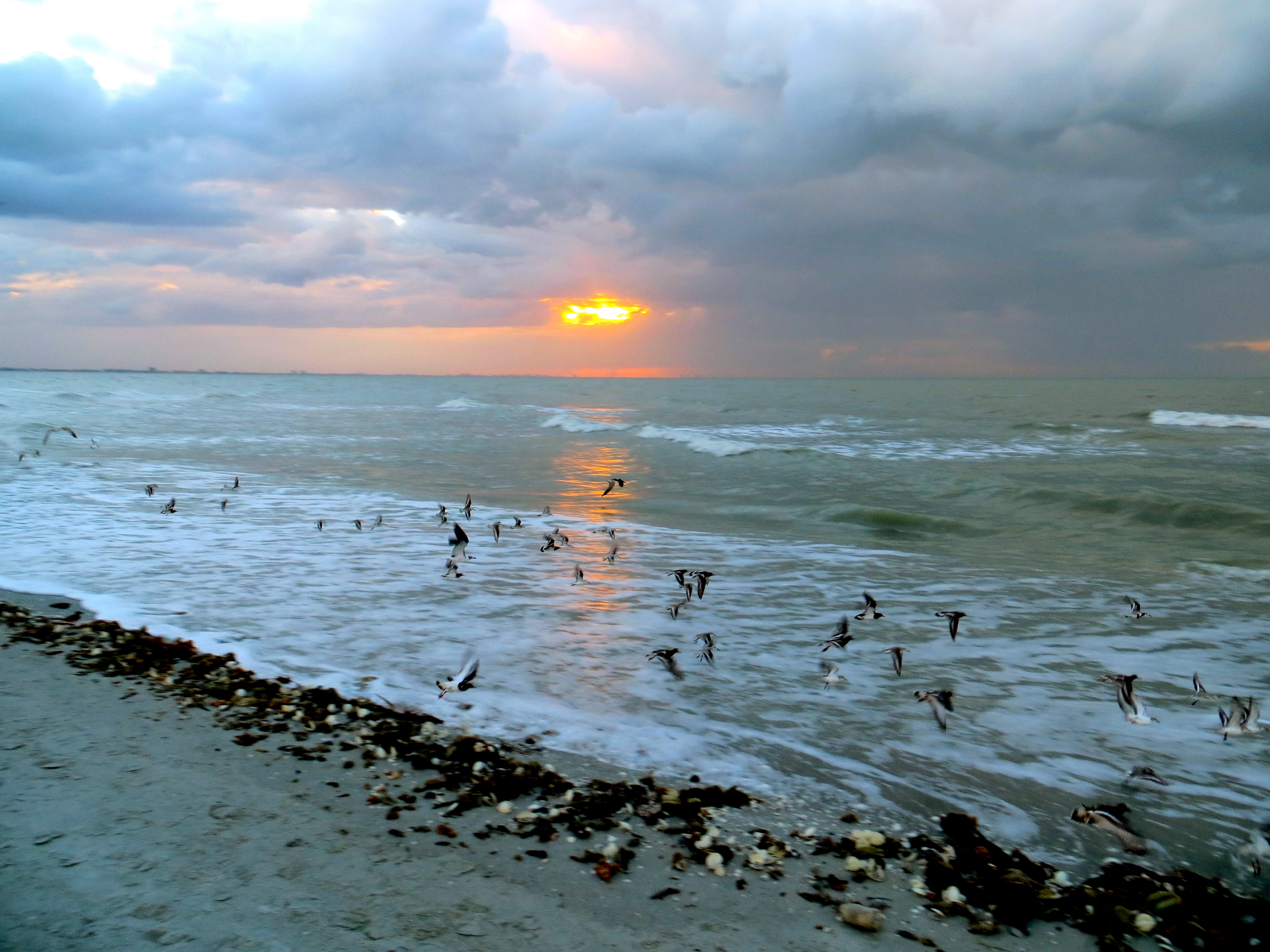
Ruddy Turnstones flying as the sun rises

I just got back from Florida. I went with my family on a trip to visit my spouse’s grandfather and to get some warmth during these cold Vermont days. We stayed on Sanibel Island, which is home to the J.N. Ding Darling National Wildlife Refuge. The island is a spectacular place to be, in part because of the refuge, and it is a spectacular place to go birding. We were planning to return to Vermont in Tuesday, but because of the blizzard of 2015, our flight was canceled and we got an extra two days there. That made things quite a hassle for my job, but plenty enjoyable over those two days.

We visited the same place a year ago and I saw 62 different species of birds. I was hoping to see that many this year. I missed some from last year but got a few new ones and saw 72 this year. I went out every morning and snuck in some extra birding on the beach and elsewhere. I didn’t see a Wood Stork (can’t believe I missed that one) or a Yellow Throated Warbler I was hoping to see (I saw a few last year) but had some great sightings nonetheless.

Highlights included three lifers for me: Prairie Warbler, Snowy Plover and Common Gallinule. The Prairie Warbler was flitting about in a tree with a Blue-Gray Gnatcatcher and a couple of Cardinals. The Snowy Plover I got to see with my wife on the beach. It is always good to see a lifer with someone you love. The Gallinule I saw tucked into some shrubs at water’s edge on the Bailey Tract of the refuge. All were memorable.

I missed seeing a White Crowned Pigeon, an uncommon bird that was hanging around the refuge. It turns out that Lillian and Don Stokes, writers of bird guides and part-time Florida residents, were at the refuge the same day as me and saw that threatened species. It would have been great to see that bird, or to meet them, but timing was not in my favor that day. Below are some other great sightings I managed to photograph.

Willets were plentiful--I saw hundreds of them

Willets were plentiful–I saw hundreds of them

White Pelicans at the refuge

White Pelicans at the refuge, along with Willets, Dunlin and Laughing Gull

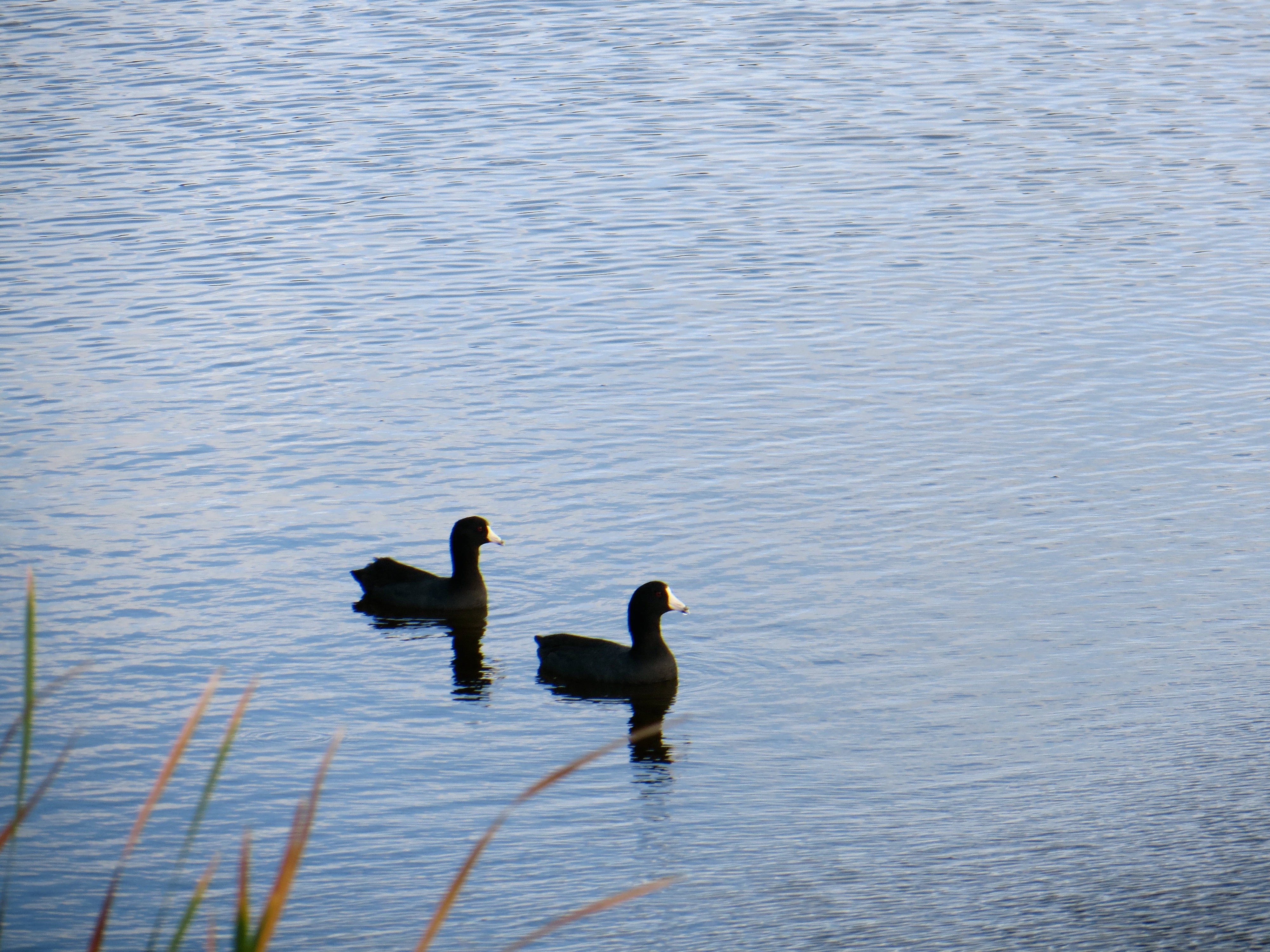
American Coot at the Bailey Tract--check out those white honkers

American Coot at the Bailey Tract–check out those white honkers

Black Skimmer landed on the beach one morning; I saw over a hundred that day

Black Skimmer landed on the beach one morning; I saw over a hundred that day (Ring-Billed Gull, Ruddy Turnstone and Sanderlings are hanging out with it)

Snowy Plover

Snowy Plover

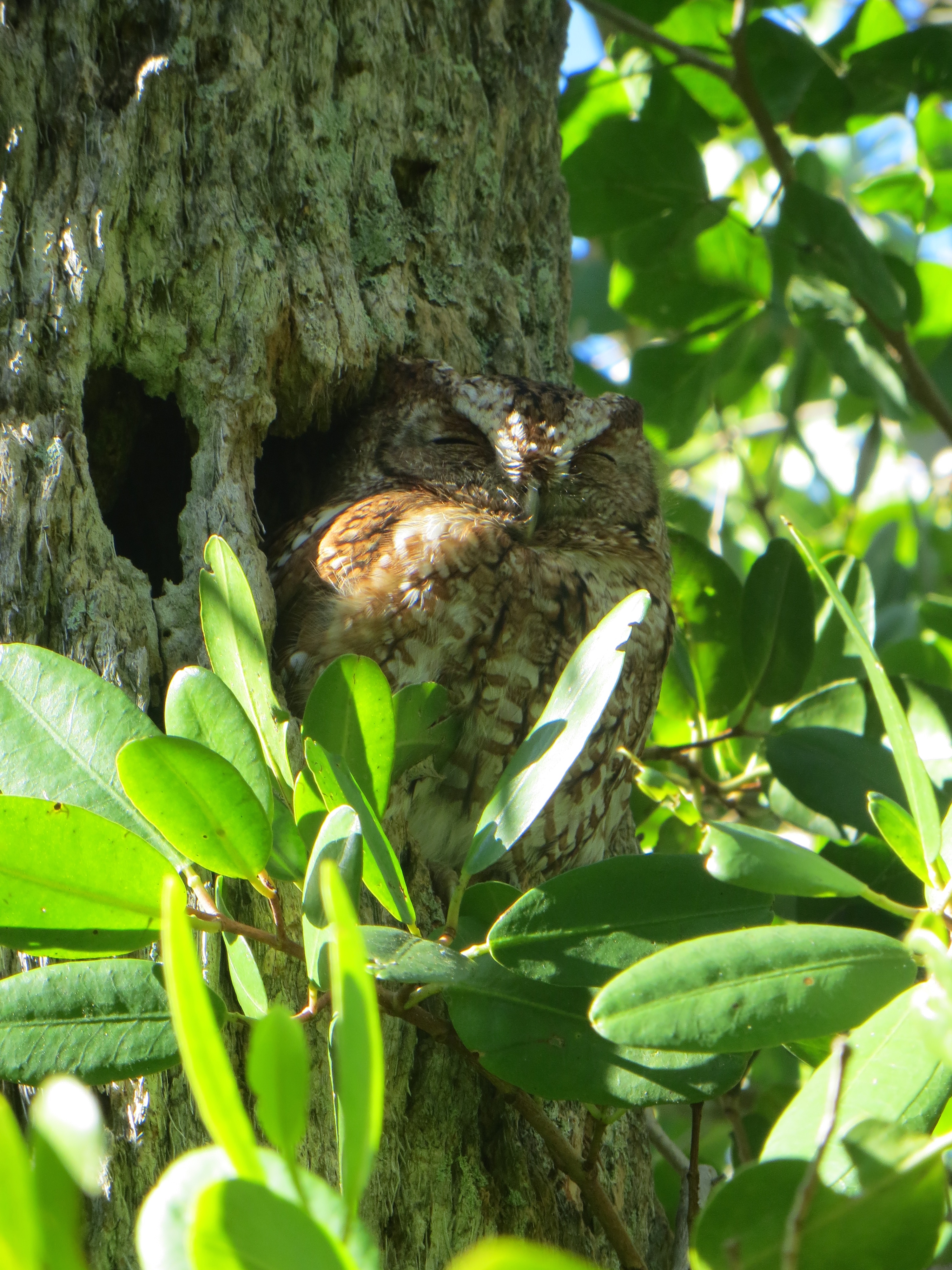
A trip highlight: Eastern Screech-Owl in plan sight. My family all got to see it as well.

A trip highlight: Eastern Screech-Owl in plan sight. My family all got to see it as well.