Mountain Birdwatch 2024

Last weekend I completed my latest high elevation bird survey for the Vermont Center for EcostudiesMountain Birdwatch program. Every June people head to the highest points of the northeast to search for bird species that hang out up there. I have been doing it since 2000, so this is my 25th year participating.

I heard about this program because the Green Mountain Club put it in a newsletter or an email. I had already been volunteering for the GMC as a corridor monitor, scoping out this big piece of land next to the Long Trail in Bolton. I enjoyed getting out in the woods for that, so why not one other opportunity to explore the mountains and to help out at the same time? At the time the survey was hosted by the Vermont Institute of Natural Science (VINS). I got in touch and signed up.

My spouse and I lived up the mountain in Bolton then and I was assigned to survey Ricker Peak, between Bolton Mountain and Camel’s Hump. It isn’t on the Long Trail, but there was an old access road that went most of the way there, used by Bolton Valley Resort and whoever maintained the cell tower up there. Because it was so close I could hike right from the house, starting on the alpine ski trails, to get to that access road. It meant getting up early, since that is when the birds are active, but that was not a problem. Have you been up in the mountains when the day wakes? It is magical.

Because these birds nest up high, and because vegetation there is so dense (spruce and fir, mostly), seeing the birds was a rare thing. Mostly it required hearing them. So the training for the survey meant learning bird songs and calls. That is when I learned that birds have songs and calls, and learning both would be helpful. The training required listening to recordings to memorize them. This was 2000, before smart phones, before iPods even, so I recevied a CD in the mail. Mostly I listened in the car until I knew all those bird sounds.

When the program started there were only five focal species, the ones to pay attention to and to mark on data sheets for the study. These were Bicknell’s Thrush, Swainson’s Thrush, Blackpol Warbler, Winter Wren and White-Throated Sparrow. Plus Red Squirrel. Since squirrels will eat bird eggs, bird populations can be affected when squirrel populations jump. I knew the sound of all those critters well. Of course, they were not the only birds I heard so, using other CDs of bird songs, I eventually learned more bird songs and calls. I was too curious not to learn them.

The thing about learning all those bird songs was that it expanded my world. If I went for a hike, or a walk anywhere, I could hear birds singing, often pretty far away. Instead of just the trail in front of me and the woods beside me, I experienced what was beyond what I could see. That Black-Throated Blue Warbler was way off in those maples. It made the woods bigger. And once you start hearing it, it is hard to turn off. The world grows beyond what you can see.

I had several routes over the years, all in Vermont. At one point, however, they decided it made sense to be consistent. Rather than survey any of the peaks that might have those high elevation species, especially Bicknell’s Thrush, the long-term reliability of the data depended on surveying the same places repeatedly. Now there are fewer routes but, if possible, all the peaks in the study get surveyed each year. Ricker Peak didn’t make the cut, so I ended up with a route in the Worcester Range, incredibly beautiful if a tough hike. Now, I have two routes, one on Mount Mansfield and one on Bolton Mountain.

Another change was the timing. At first it was acceptable to do the survey at dusk, since birds are active then as well. The preference was morning, and that was when I did it, but at least dusk was an option. And the morning survey had to be completed between 6:00 and 10:00. That shifted to a 4:00 am start time and eventually each route had a specific start time. When I surveyed the route on Ricker Peak, I would wake up, grab my stuff, and hike up in time to be at the first survey point at 6:00 am. Now when I survey the Bolton Mountain route, I have to hike in the day before and get up before 4:00 am to be at the first survey point by 4:20 am. I wrap things up by 8:00.

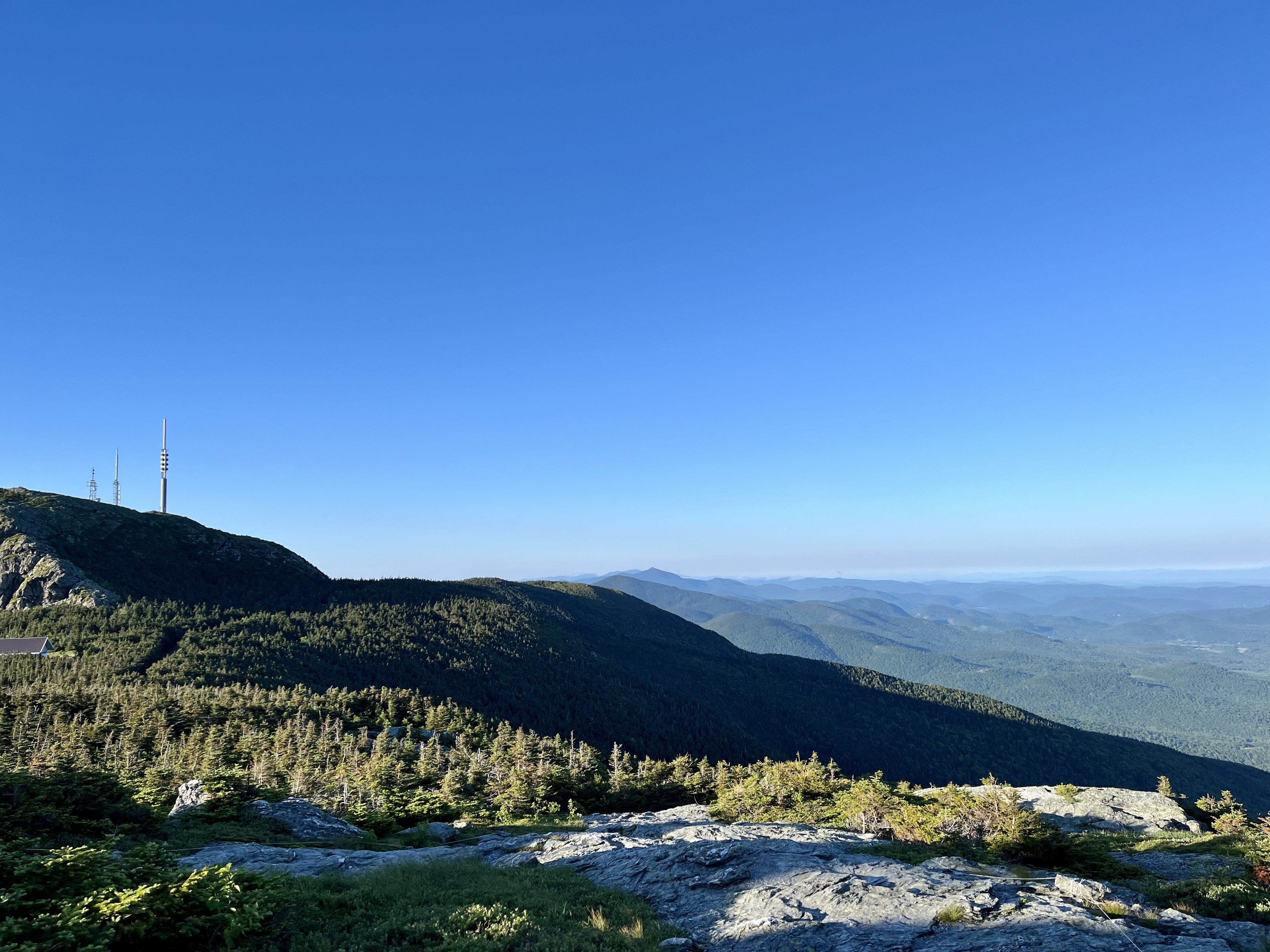
Due to some good luck I managed to get the route I just completed on Mount Mansfield. The first point is not far from the visitor center at the top of the toll road. Vermont Center for Ecostudies, who manages the survey, has permission to use the toll road off-hours. They do other bird studies up there as well– with mist nets and all that jazz. I benefit from access to the road. For this route I get up in the wee hours, drive to Stowe, pass through the gate and sign in, then drive up the road. I park in the visitor center lot and hike 15 minutes to the first survey point. This year I was there by 4:00 am just as it was getting light, and started soon after that.

There are some challenging points on the route, but the last three are on the ridge. This time the birds at those ridge points were much quieter than usual, but there is little better than being close to the highest point in the state as the sun comes up. The fog floats in the valleys, Lake Champlain shines, ravens soar over the hills, and it easy to forget all the garbage that is happening in the world. For the first time this year I saw several people by the time I hit my end time at the last survey point–a couple of hikers and several trail runners. Apparently I am not the only one who finds morning in the high peaks enjoyable.

So one more year in the books for this survey. I do wonder how many more years I will continue to do this. I have a couple of sweet routes so one of these days I should pass them on to someone else, someone who will enjoy it, I hope, I much as I do. I feel good about getting up on so many peaks for so many years to help out with this. Hearing a Bicknell’s Thrush sing, which you can only hear way up there, is magic every time. I hope they keep coming back for a long time, whether I am there to hear them or not.

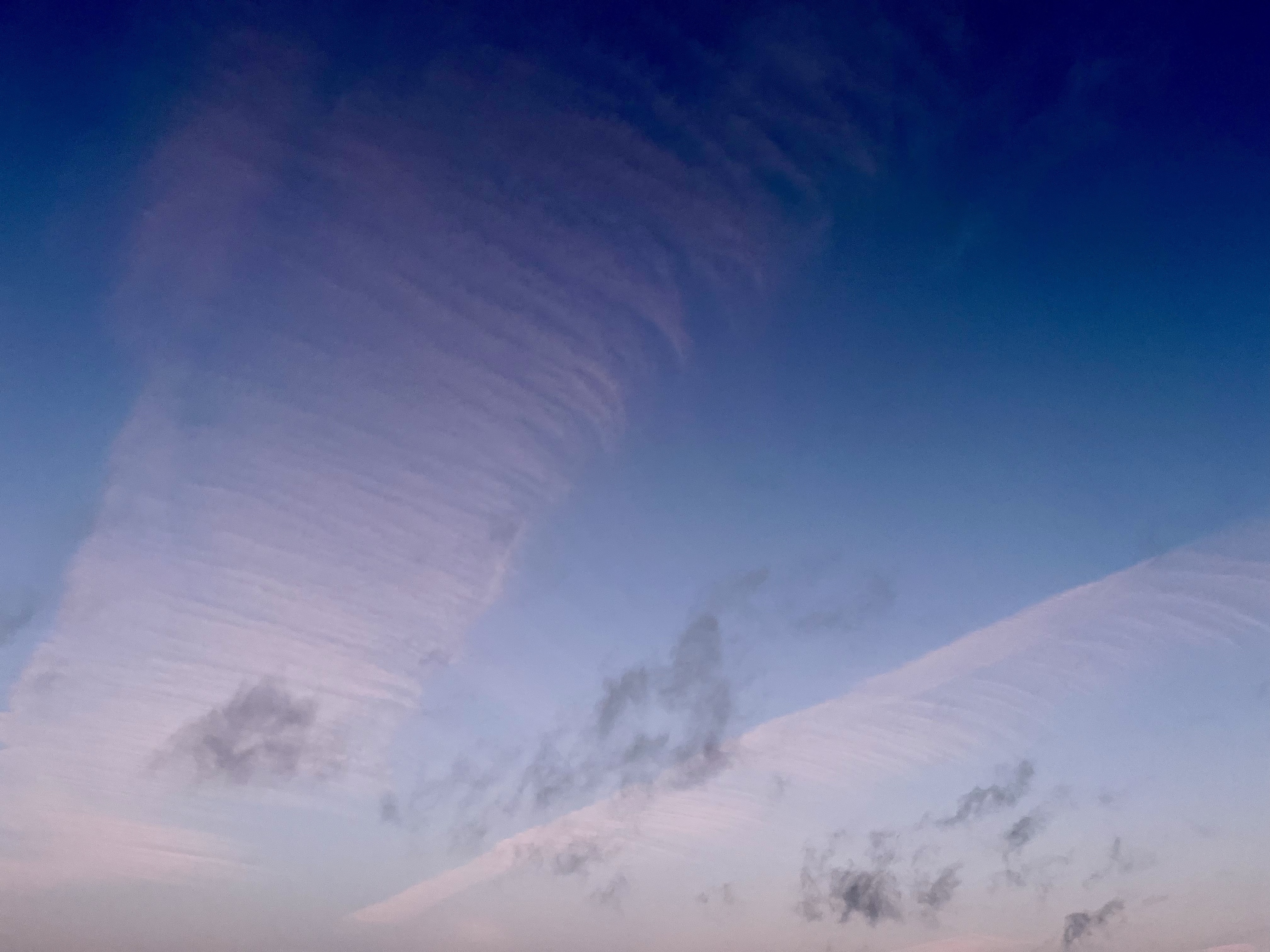
Contrails on Thanksgiving morning

The busiest time of day at the Burlington International Airport (excuse me, the Patrick Leahy Burlington International Airport as it has recently been monikered) is early morning. There are always flights at 5:30, 6:00, 6:30 or thereabouts. On a morning run, as the sun lightened the sky today, we noticed the contrails of several of those flights. They were lit pink with the rising sun. They were beautiful.

They are not natural, of course, and it hard not to wonder how they affect the weather–so many flights every day. They are literally making clouds. There were a couple of jets flying over us as we trotted along, drawing pink lines across the blue. And there were several old contrails–broken and spread wide across the sky. There were few natural clouds. The world is so beautiful that is feels odd to marvel at this manufactured beauty, but there is was, a marvel above us.

We realized that not all of these planes came from Burlington. Some were too high, too far away, traveling too fast. While we could of course find out in real time what flights were passing overhead, we did not. Instead we speculated about their departure points. Boston? Portland? Montreal? Manchester even? No idea. But it felt good to have a little mystery this morning.

It is Thanksgiving Day. I feel grateful for that morning moment–physically capable, outside in a beautiful place on a beautiful day, with an amazing woman, looking forward to a day with my awesome children. My daughter and I plan to cook up a big old meal together. We have been looking forward to it for a few days now. She knows her way around a knife and a pot. I am grateful for that too.

We also got a glimpse of a bright shooting star, even as the light grew. We wondered how bright that might have been had it been fully dark. It faded in a second. Those contrails will fade as the day progresses and air traffic slows. We will peel potatoes and pre-heat the oven and prep a pie and eventually eat it all up together. This day too will fade into the evening and tomorrow and the days to come. There are many things for which I am grateful. Right now, I am just happy to be here, trying to enjoy the moments as they come.

Happy Thanksgiving, y’all. Enjoy the day.

Winooski River Portrait January 2023

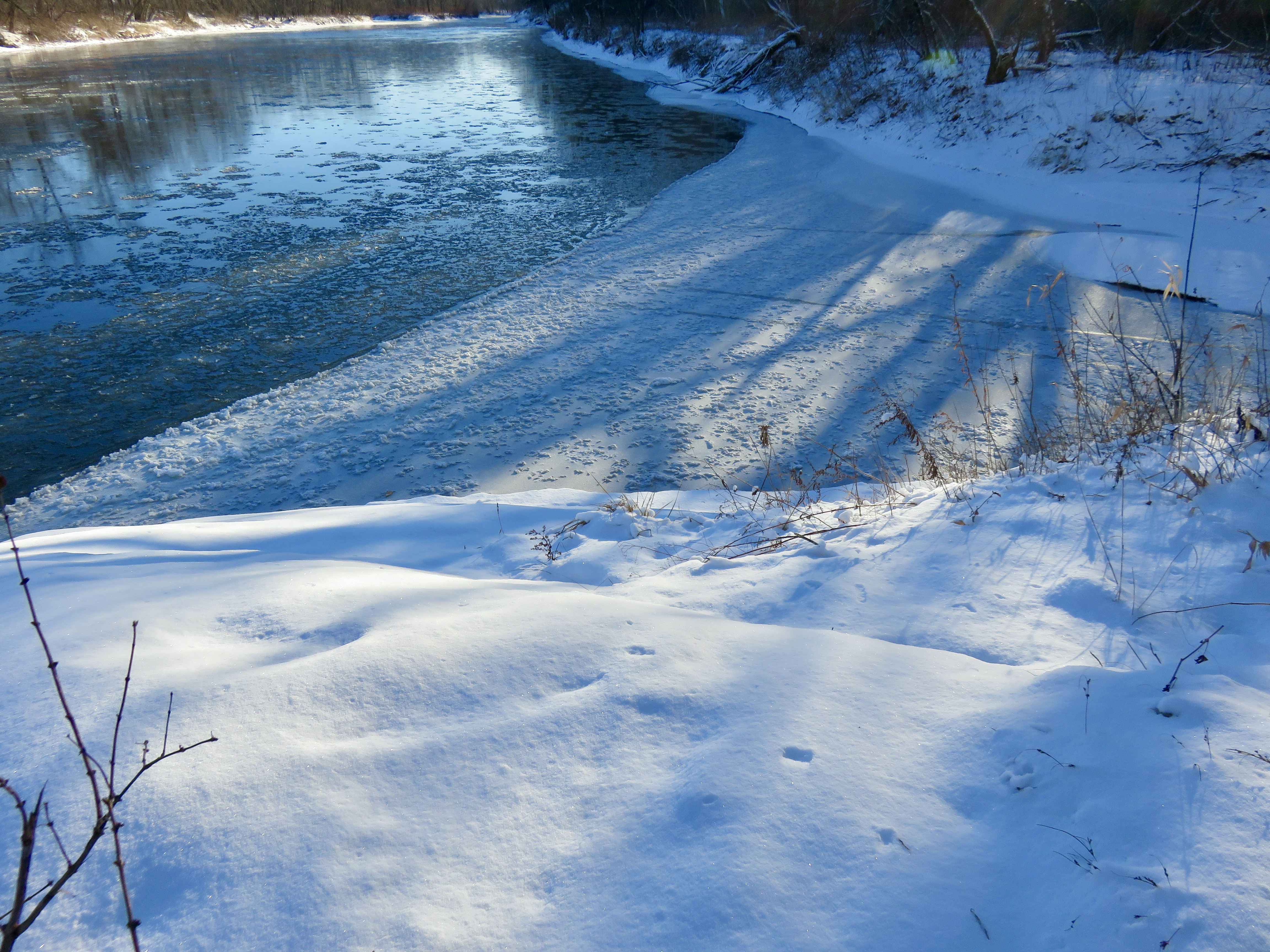
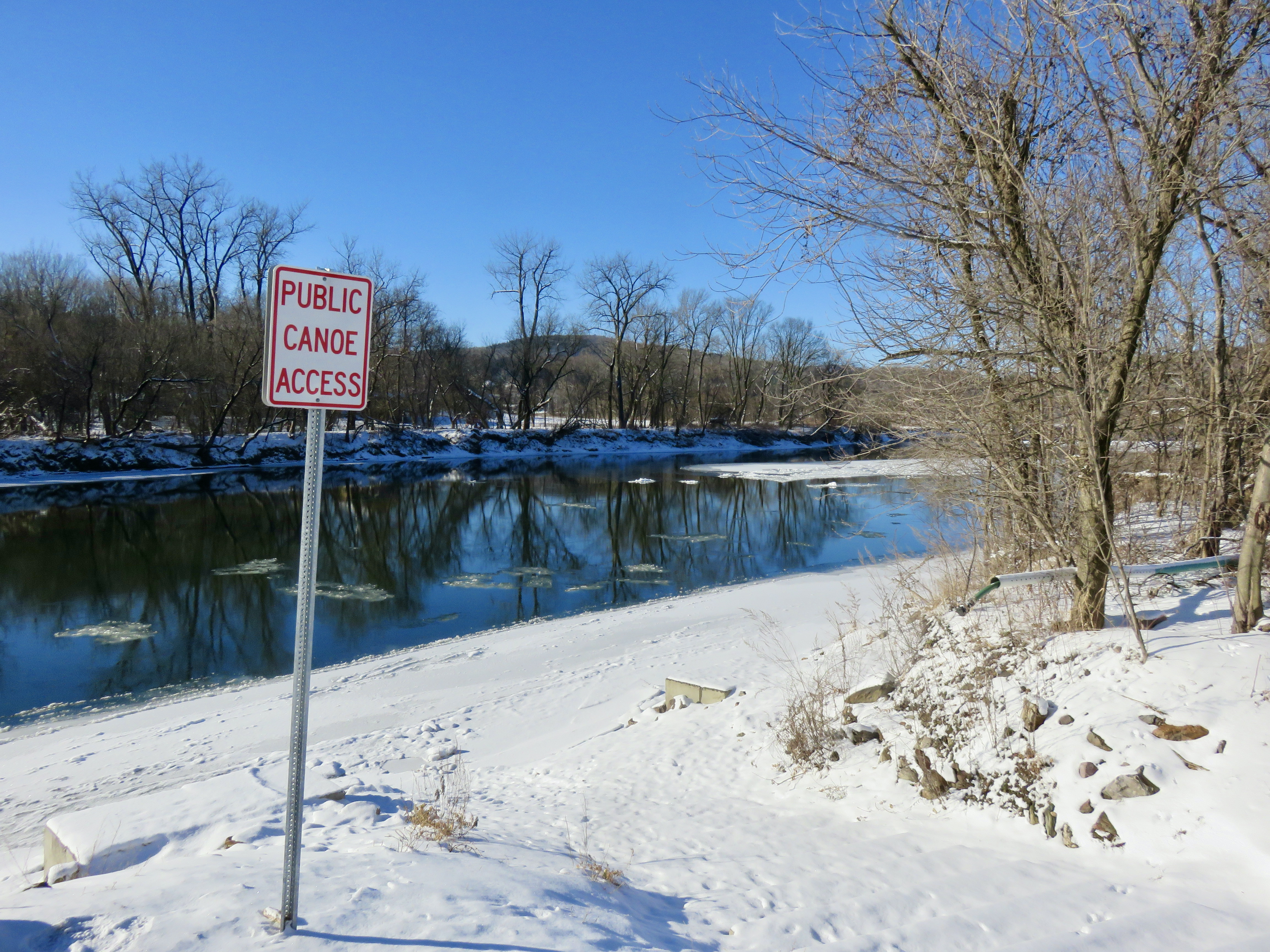
Yesterday I participated in Vermont’s annual Bald Eagle survey, as I have for several years now. My route is the Winooski River, from Waterbury to Lake Champlain. I drive along the river, stopping at several spots to watch carefully, and watch less carefully as I drive from point to point. I did see one eagle, in Williston, and otherwise had a day of it watching a beautiful river that gets forgotten or taken for granted or often just not thought about.
The day was warm, relatively, just above freezing. In some past years I have done the survey with temperatures below zero. There was no ice at all yesterday, although there was fresh snow in the hills. The water was high and powered over the dams and ledges, less tame than last year. Here is my most recent portrait of the river.

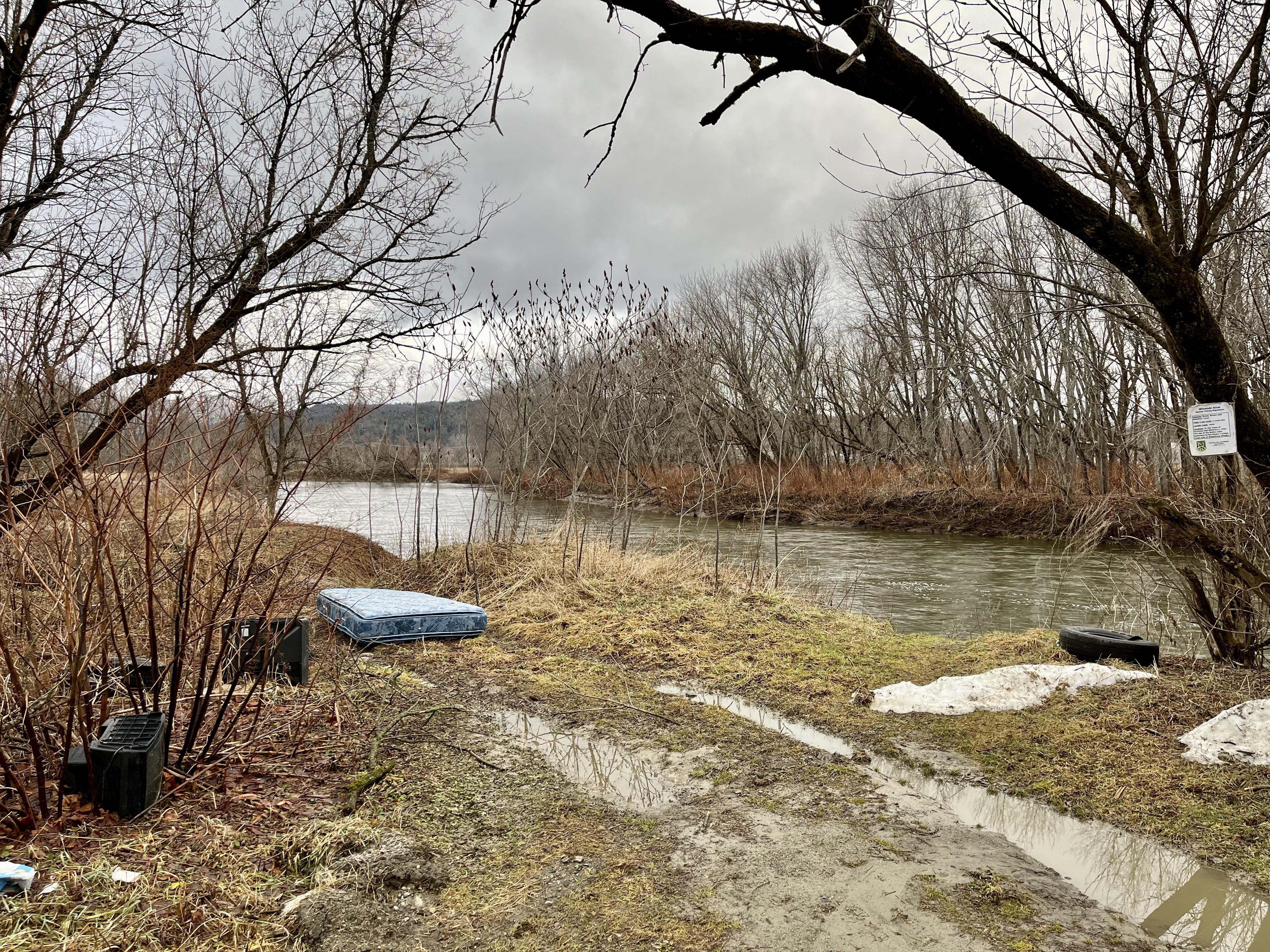
Main Street Pull-Off, Duxbury
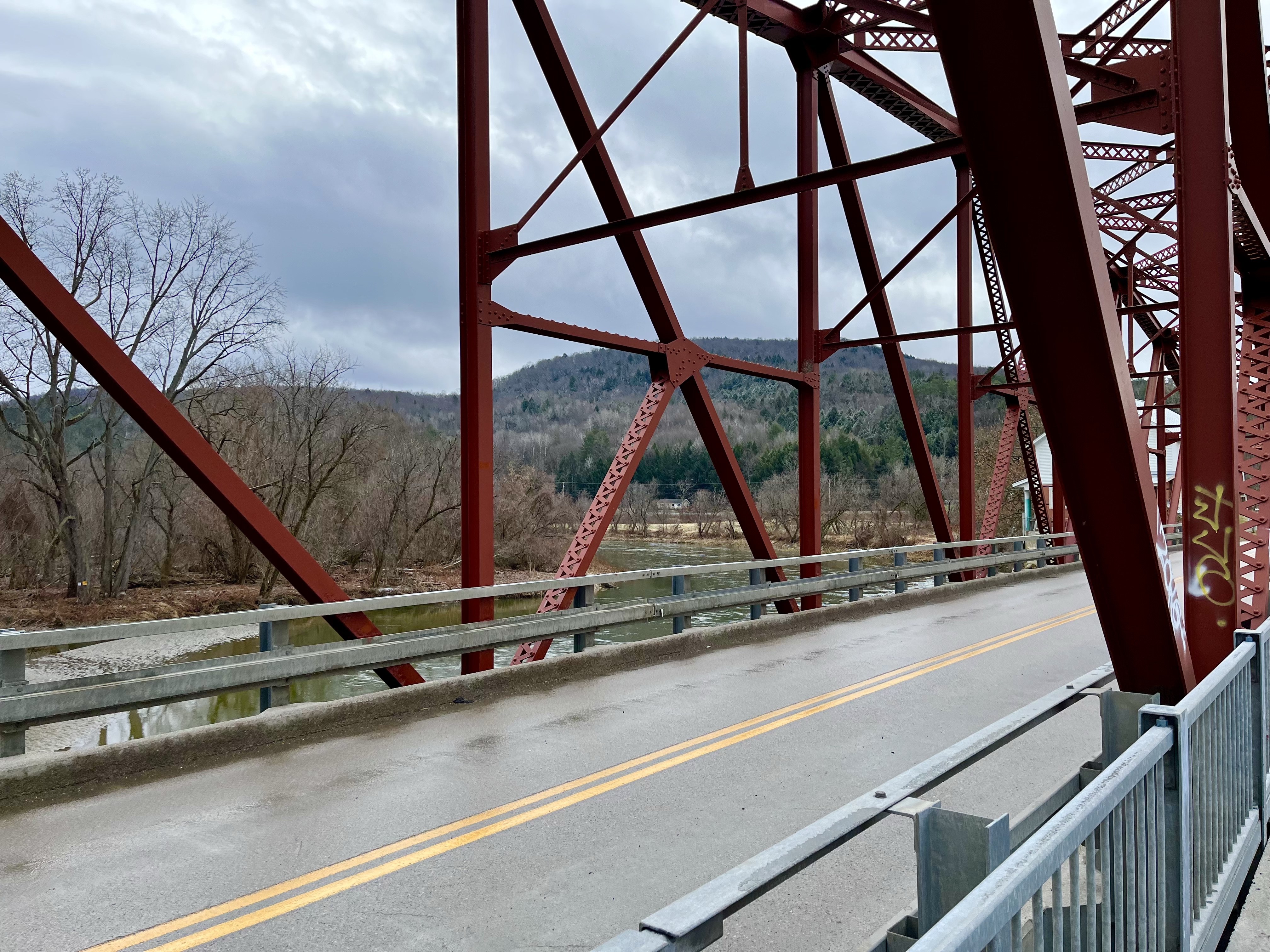
Next to Winooski Street Bridge, Waterbury
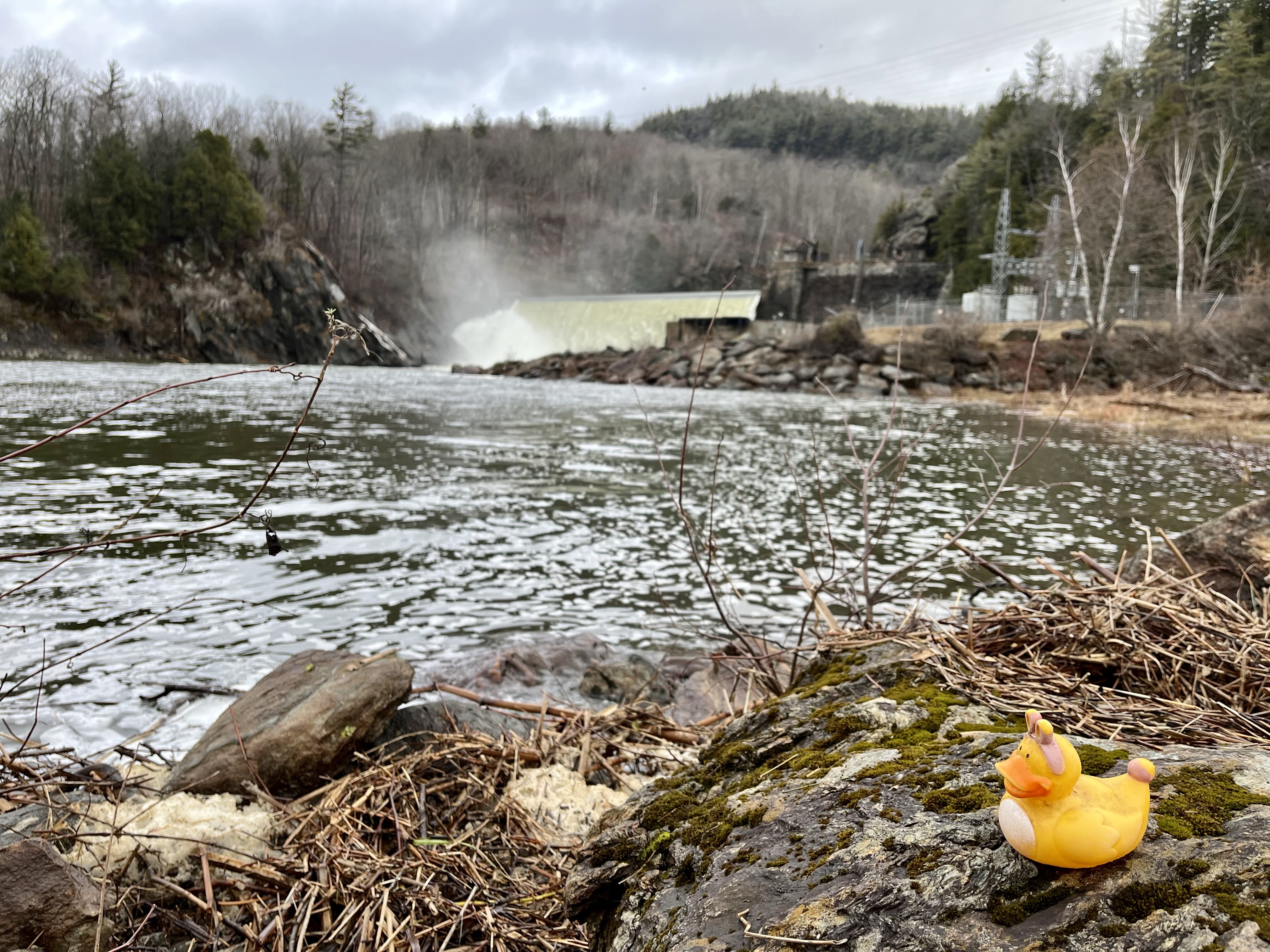
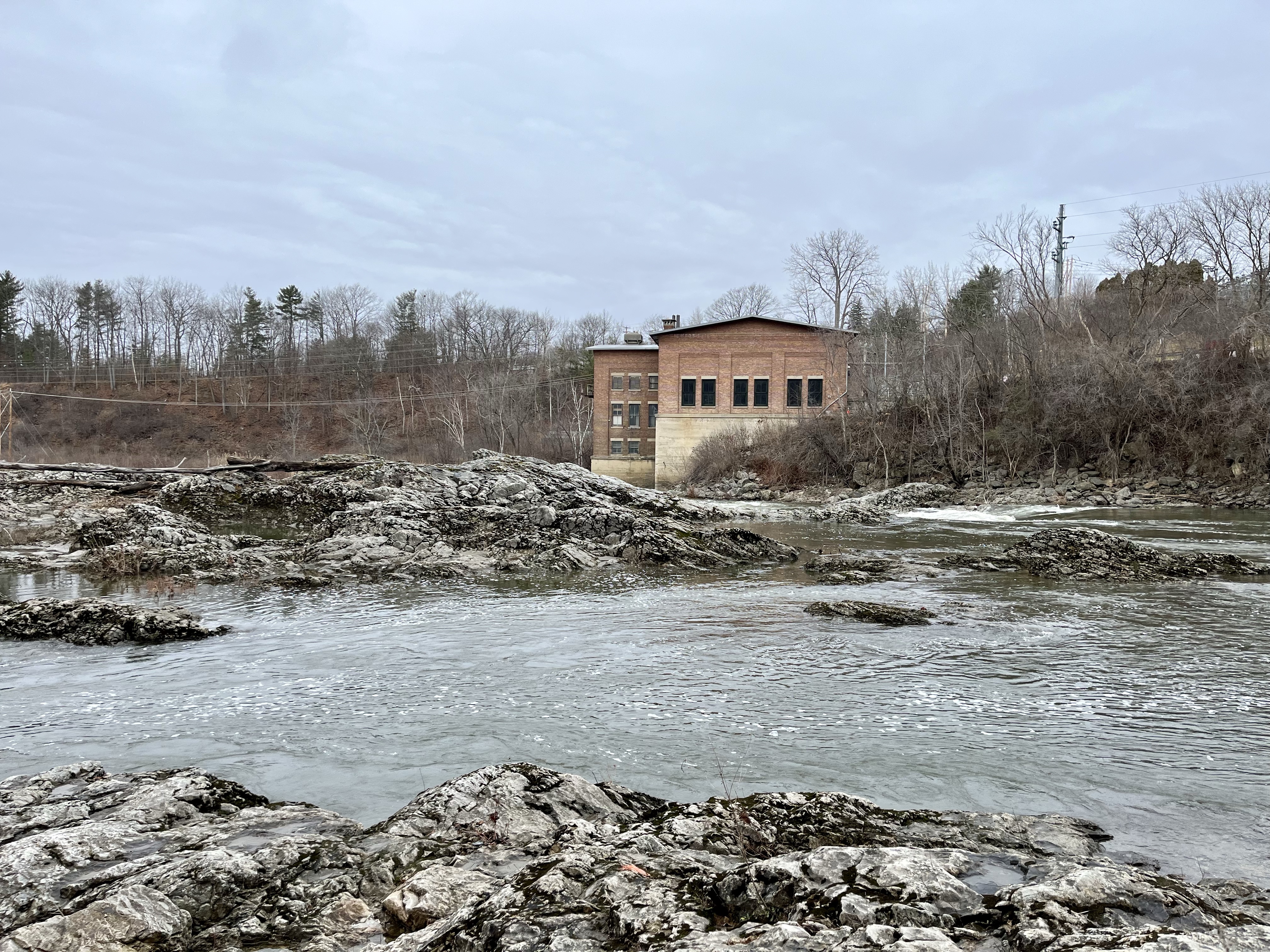
DeForge Hydroelectric Dam, Bolton/Duxbury
Next to the Long Trail, Jonesville, with snow in the mountains
Warren and Ruth Beeken Rivershore Preserve, Richmond
Bridge Near Volunteers Green, Richmond
From Lafontaine Canoe Access, Williston
Overlook Park, Williston
Woodside Natural Area, Essex
River Walk, Winooski
Detritus from Beaver Activity at Ethan Allen Homestead, Burlington
Fishing Access at the End of the River, Colchester

Winooski River Portrait 2022

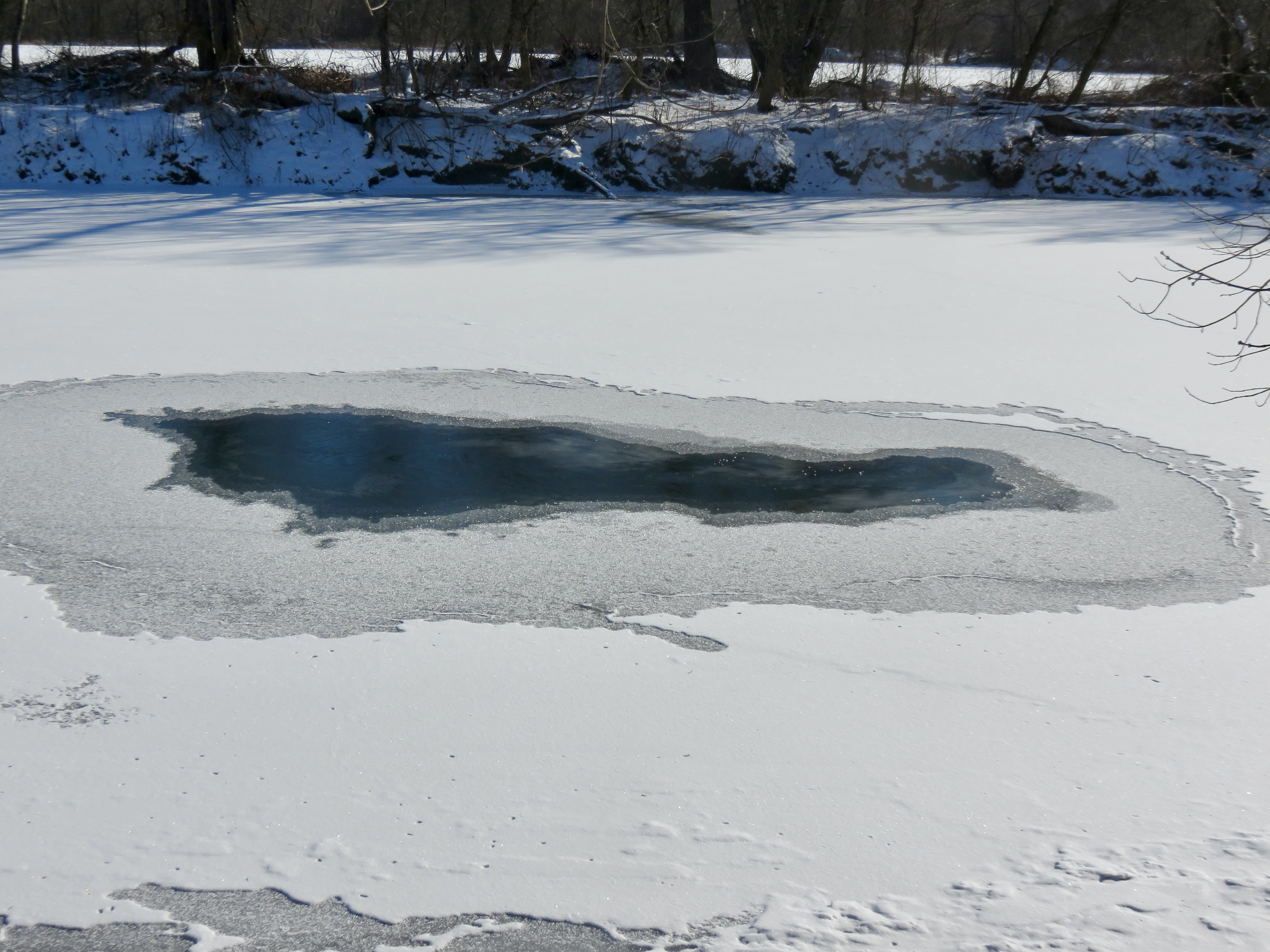
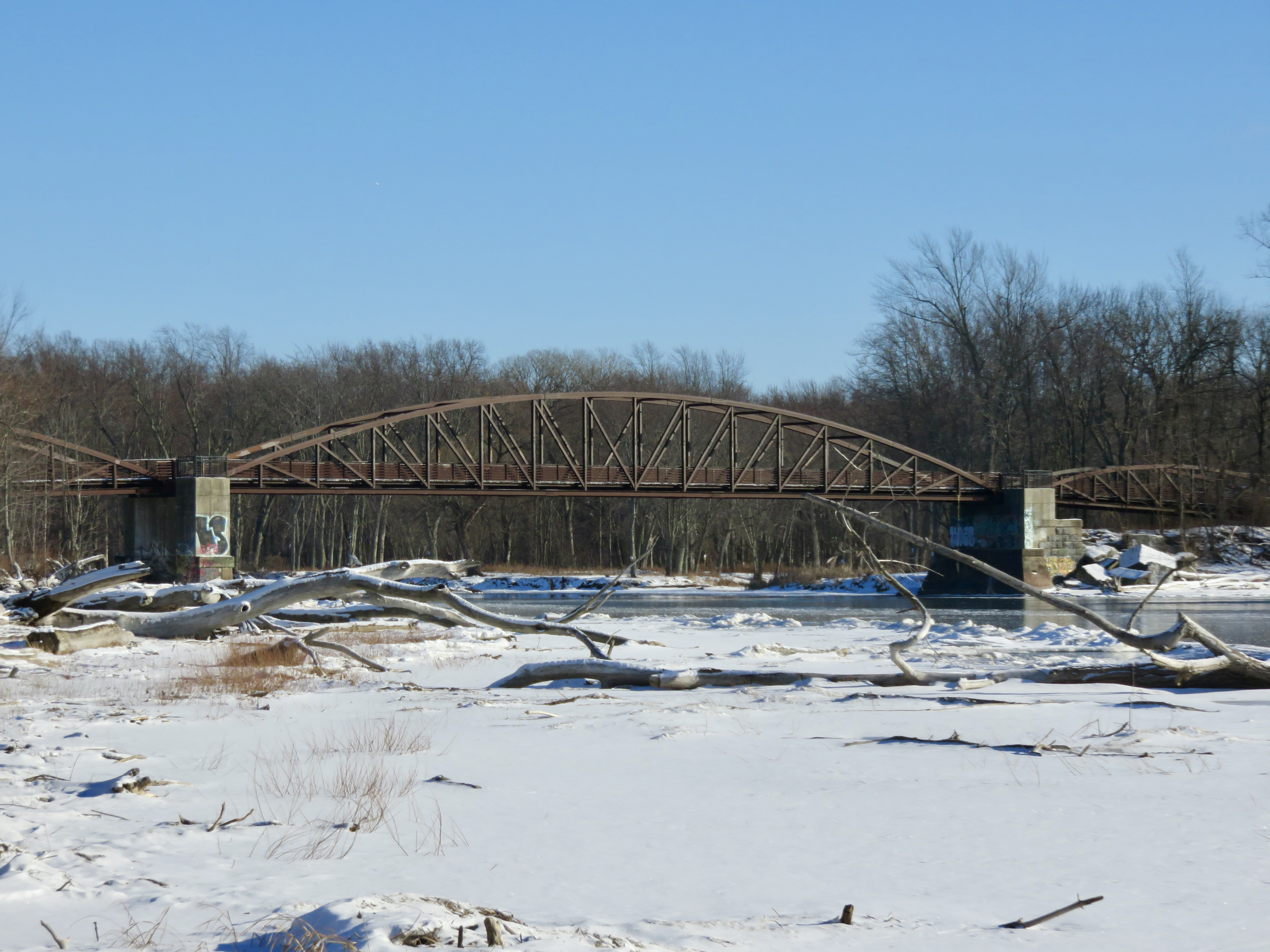
Yesterday I participated in the annual Midwinter Bald Eagle Survey. My route was the Winooski River, from Waterbury to Lake Champlain. I have surveyed this route several years now. While I did not see even one eagle, I did get to see the river in winter.

Last year the day was warm and there was much less ice. Yesterday I started with single-digit temperatures. By the time I was finished in the early afternoon the temperature was considering hitting 20, but had not yet decided.

Here is my portrait of the Winooski River for January 2022.

Close to shore, Duxbury
Under the Waterbury Winooski Street Bridge
Looking west from DeForge Hydroelectric Dam, Duxbury
Near Long Trail, Richmond
Long Trail footbridge, Richmond
From Jonesville Bridge
At Warren and Ruth Beeken Rivershore Preserve
Volunteers Green, Richmond
From Bridge near Fontaine Canoe Access, Williston
Overlook Park, Williston
Woodside Park, Essex
Winooski
Bike path bridge where Winooski River ends at Lake Champlain

What you can’t see

Here is a photo looking west just after sunset a few days ago. Here are a few things you cannot see:

It had just snowed. There were a few inches on the ground–not fluffy or soft but malleable enough to walk through. No crust, no ice. It had fallen off the trees but the fields were covered.

It was cold. A breeze blew. The line of short trees, oaks and ashes and buckthorn, blocked the wind coming from the south. On the south side of that hedge, pull your collar up and your hat down.

Jupiter hung in the sky. When I took this photo I intended to capture it between the lower layers of clouds. The bright dot contrasted with the dark clouds. I called it stunning.

I was smacking a lollipop, a strawberry Dum-Dum. That thing was tasty. That thing did me right. Flavors are powerful and we do not always have them to help remember a scene. I had one for this scene.

I was walking the dogs. Usually my wife does this. I go with her at times, and of course if she is not around the task falls to me. I took them out solo on this day. But just after I captured this image, she came around the row of spruces and joined us. Even after many years of marriage it makes me smile to see her. Every time.

I was wearing boots. I love the basic boots I can slip on and wander outside. The condition of the fields is so varied that I often am reminded how great they are. Whether there is snow or standing water or mud or rain or burrs or ticks, they protect and serve.

I headed back to the house after this. It got dark. We settled in for the night. The solstice was about to arrive. Now it has. We are headed to longer days. These are the days of hope in the year. I find it harder to cling to that hope these days. An afternoon like this, however, certainly helps.

Still Some Color

It is an odd fall. The leaves turned slowly. Some years we have a blast of color. It knocks your socks off. You can’t help but be dazzled. You look at the hills, and then look again, and then say something out loud like “Damn that’s amazing.” Even poets stumble over their tongues. This year we had some of that but I never saw that blanket of red and orange and yellow, that hallmark of the northeastern autumn. Things have been more stretched.

It is mid-November and trees all over are hanging on to leaves that catch the eye. Full, ancient maples are brimming with orange. Oaks show off their muted yellows. Even some sumac are red. Red sumac leaves in mid-November? Is that a thing now?

Standing at the lake I was accompanied by maples full of leaves–yellow on one side and red on the other. Across the water, the Adirondacks still had some color, with snow topping the peaks. There is some awe in that scene. At least I found some.

Maybe this is a thing now, or will be. Is climate change pushing the season out? Likely. Maybe this year is an anomaly, but I am guessing we will see our fall foliage show happening later and later, one more effect of our changing climate I will notice each year in our corner of the world. Whenever it happens I will still, I am sure, have moments where I lose my words. I am happy to stay silent in those moments. The color can do the speaking.

Some Small Critters

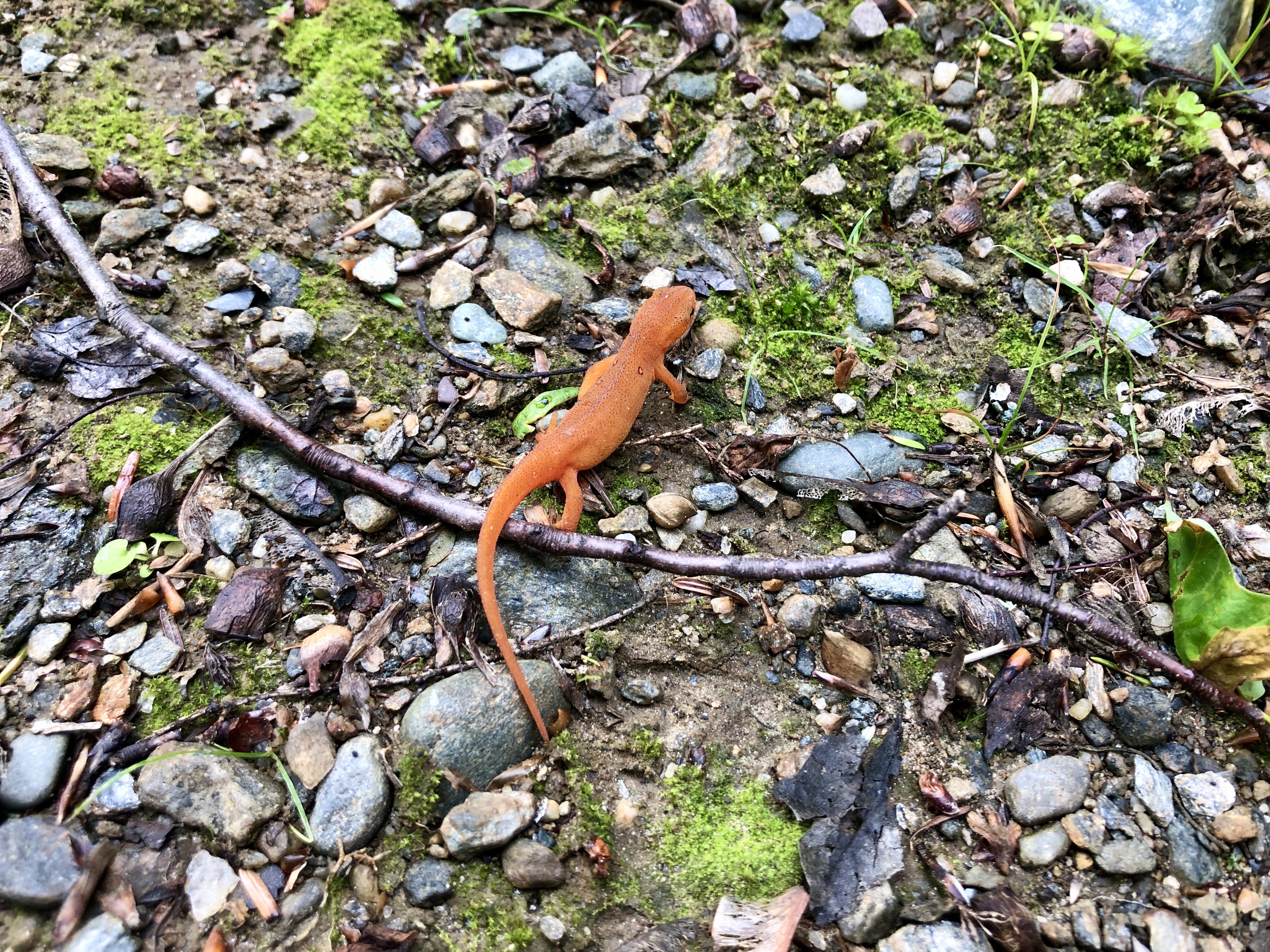
I have been looking small lately. It is easy to look big, to see the bright sunset, or the glowing sunrise, or the mountains as they wear a cloak of clouds. For the small, you have to pay more attention. The newt that crosses your path? If you don’t look down, you will miss it.

Or you will miss all of them. My beautiful spouse and I took a long walk in the woods the other day. We saw more newts than we could count. I hope I didn’t step on any. They are orange but still, they were easy to miss.

And check out this caterpillar. It is munching on bedstraw (an invasive, by the way–beautiful but aggressive). I had seen one of these caterpillars last year in just about the same spot, but that one was black. It looked like the same pattern but could there be that much variation in color? Yes, apparently. Black? Pink? Fashionable moths. It’s name? Bedstraw Hawkmoth. Appropriate.

Speaking of moths, here is another one. This little dude was attached to the screen door in the morning. It is only an inch and change long, pink and yellow and trying to blend in. It chose a poor location to blend in. I have no idea what its caterpillar form looks like–smaller still I imagine. This one is called Rose Hooktip. Those moth namers call it like it is with the straightforward names.

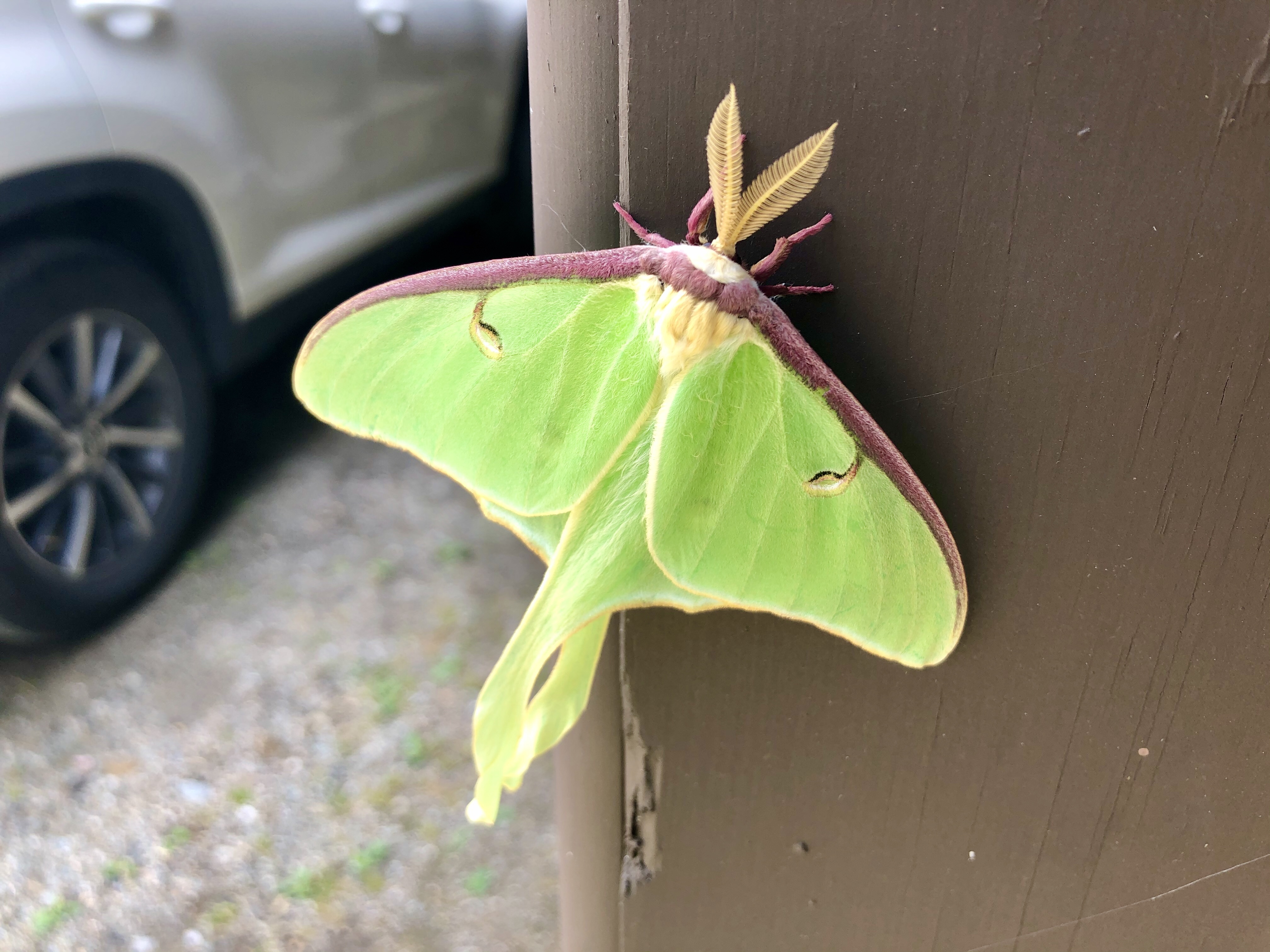
Or do they? We were pretty excited to find this Luna Moth a couple of days ago. It showed up in the morning, clung to its post for most of the day and disappeared in the afternoon. It repeated that performance the next day, one post over. This critter was much bigger that the hooktip. And, I mean, look at that thing! So beautiful and so fragile. It is confident enough, or carefree enough, or self-assured enough that it just doesn’t worry that that Phoebe with the nest right above it is going to make lunch out of it. Actually, maybe that is what happened to it.

As for that Phoebe? I kept seeing it near the porch, so I looked around. On the underside of the back side of the eave of the roof I found its nest. It was the perfect spot for it. If I hadn’t looked I would never have seen it. That is the theme here–looking. I am trying to look closely–at the newt, the moth, the nest, even at the plant where the caterpillar has breakfast or the moss next to the newt. It take deliberateness to see small.

I still am awed by the full moon or the sparkling lake or the field of wildflowers–the big–but I want to be sure to also get down and look closely at those flowers. Only then will I see the cool zigzag spiderweb that stretches between the stems. And damn those are cool. Seriously. Seeing those webs is worth getting dew on your pants. If you want to be dazzled, looking small is just as good as seeing big.

Wet wetland

I have been busy enough with work lately that I have not wanted to go birding early during the week, even though it is the season for it. So on Saturday I don’t want to give up the chance. Friday night the weather looked good for some morning exploring, so I planned to go. Saturday morning, however, brought light rain. Rain? Seriously? But I went anyway. It was bound to stop soon.

It kept raining. I turned on the windshield wipers. I went to a local nature reserve–it is fairly new and I had not seen much of it. I parked along the road where I thought a trail started. It sort of did start, in the woods, then fizzled when it opened onto a field. I went the way I thought seemed most likely, but it wasn’t much of a trail. I got to the wetland but then was stymied.

By then it was hardly raining, but it had been raining. That meant the tall grass though which I meandered was a bit wet. Dripping, really. Soggy. Soaked. In my haste to leave the house I had put on pants, to avoid ticks, but they were cotton pants. That was dumb. By the time I walked back the way I had come and got to my car, those pants were most definitely not dry.

But there had to be a better access point to this wetland. I drove up the road and found it, hidden in the trees, no parking except along the road. Yes I was soaked but it was Saturday and I did not want to give up and what’s a little cold and wet? So up the hill into the woods I headed, then down the hill in the woods I went, until it opened again in tall grass. There was a clear path but it went both left and right. I went left.

And that way was just as wet as my first attempt. I got even more wet, even though the rain had passed by now. That grass can hold some water. I had a better view of the wetland, saw some ducks, heard a gallinule calling, listened to an Alder Flycatcher and a couple of Veeries singing. I turned around again and thought I would try going right. This was was less wet but the rain started to fall again.

I did find some birds, although not as many as I might have on a clearer day. Back in the car I polished off my warm coffee, waiting for me in the cup holder. I drove home with the wipers on, those cotton pants wicking all that grass water the whole time. I arrived home wet and chilled, satisfied that I had tried and at least had a good walk in a beautiful place. After a hot shower I got some sourdough bread started. I had a day ahead of me yet.

Seeing Beauty, Being Angry

Blue Flag

Look I’m not going to pretend it is all roses around here. I mean, we still have a pandemic happening. But in Vermont things have been fairly settled recently. Our cases of COVID-19 are still pretty low, although there has been a bit of a spike this past week. Still, summer is just about here, and things are more open than they were.

Sometimes it feels like the world is circling the drain. It can be hard not to get angry. I don’t want to be angry. That sucks the life out of me, but how I can I not get angry these days? When I compare my life to others’ I think, what do I have to get angry about? I mean look at this place. It’s beautiful. It is the kind of place people who live in less beautiful places come to go on vacation.

Blue Flag is blooming. There is a patch of it in the field where the cows now sometimes graze. We have these giant domesticated irises at our house, also blooming now. They are related, both purple and intricate and amazing. I got to see both of them when I walked this morning, just as the sun rose, the fog just slipping away into the day. How can those even exist, they seem so fragile? And I get to see them in their glory. Like I said, what do I have to be angry about?

But I pay attention not only to the things right here–the butterflies emerging and the Veery singing and the grass that is somehow four feet tall already–but to what is happening beyond my rural bubble. And that anger pops up. And if you are paying attention then you should get angry too.

So the question: is it OK to enjoy beauty when there is so much to be angry about? I keep hearing the line from the film Bridge of Spies, when the Soviet spy Rudolf Abel gets caught and his lawyer asks him “Aren’t you worried?” since Abel seems so calm. His response: “Would it help?” And that is the answer I have for my question. The problem is, that is another question.

For now I am planning to do both. I plan to enjoy the beauty of almost-summer and I plan to be angry. Beauty is fleeting and I would be a fool to let it pass unappreciated. And anger serves a purpose–it keeps us from becoming complacent, from forgetting, and it can make us take action. I will not bury my head in the flowers but I will still be awed by them. I will not lose myself to anger but I will let it remain, sometimes quietly, sometimes less so.

Those irises are not going to change the world, but finding wonder in them can help me turn that anger into something productive. Those fragile purple petals of late spring can help me to be calm, to think clearly, to be at peace. I get angry that not everyone can be that and think that way and feel that. Maybe not everyone wants to, but I think we would be better off if we did.

I know I should do something and not just talk about it. Of course. We all should. But without experiencing wonder at how beautiful the world is, I won’t be motivated to do the hard things. So I guess I have my answer after all.

Flowers in the Woods

Heartleaf Foamflower

Flowers are out in the woods. I guess it must be spring. I have tried to pay attention to flowers this year. I am curious what I see. I want to know what lives in the world around me. What is that flower? How long will it bloom? Which flowers grow in the woods, or the edge of the woods, or out in the sun? I keep wondering.

Herb Robert

Last year a friend introduced me to iNaturalist. I downloaded the app and have used it a bunch this spring. It is pretty slick–take a photo, get some suggestions for what you see and select what you think you have found. Most of the time it works like a charm–the first suggestion in the list is usually a match. Others can see what you have posted and can confirm your identification or suggest a different one. It has been really helpful in identifying flowers, as well as moths, caterpillars, fungus. It can be used for anything that lives.

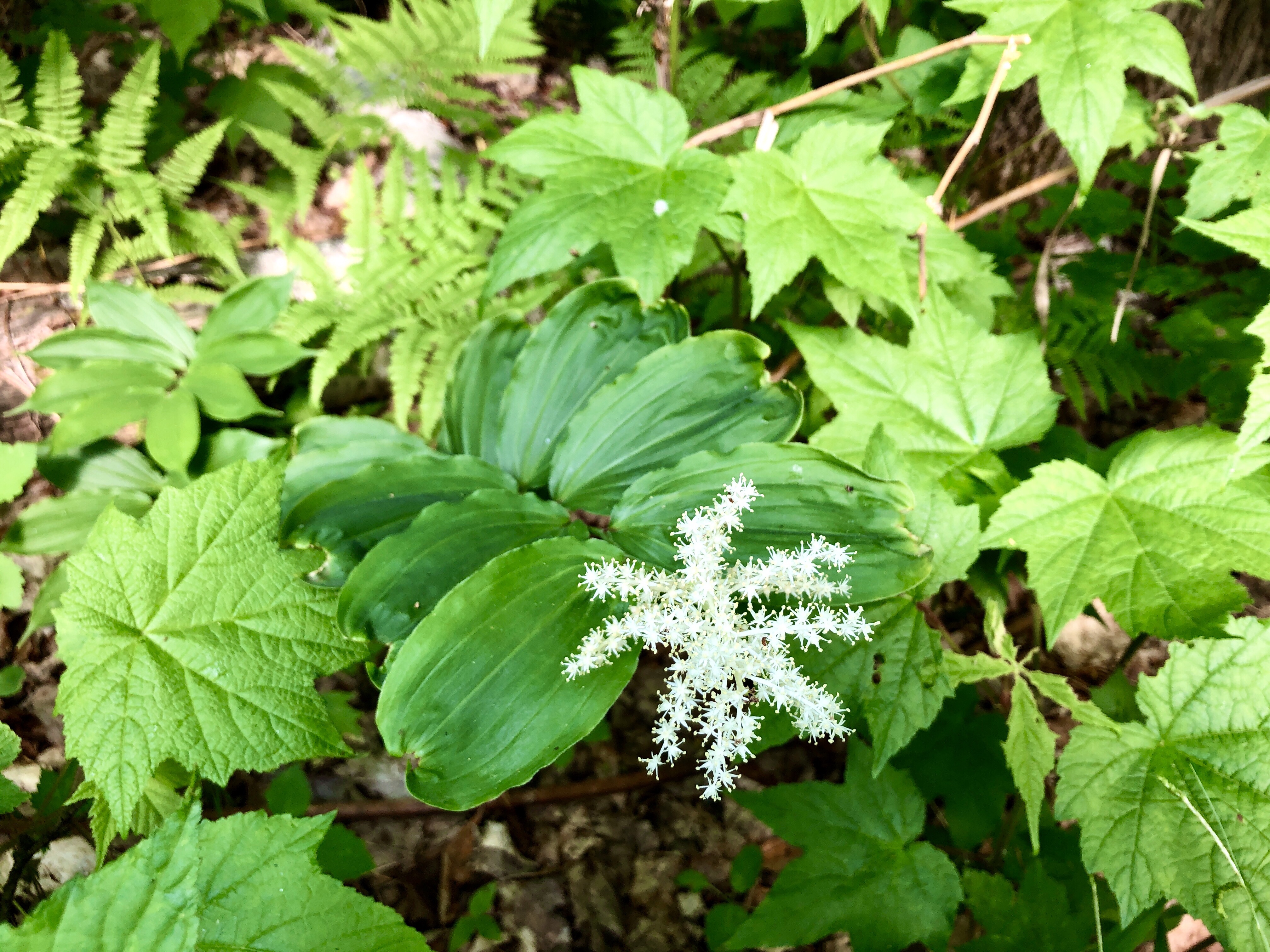
False Solomon’s Seal

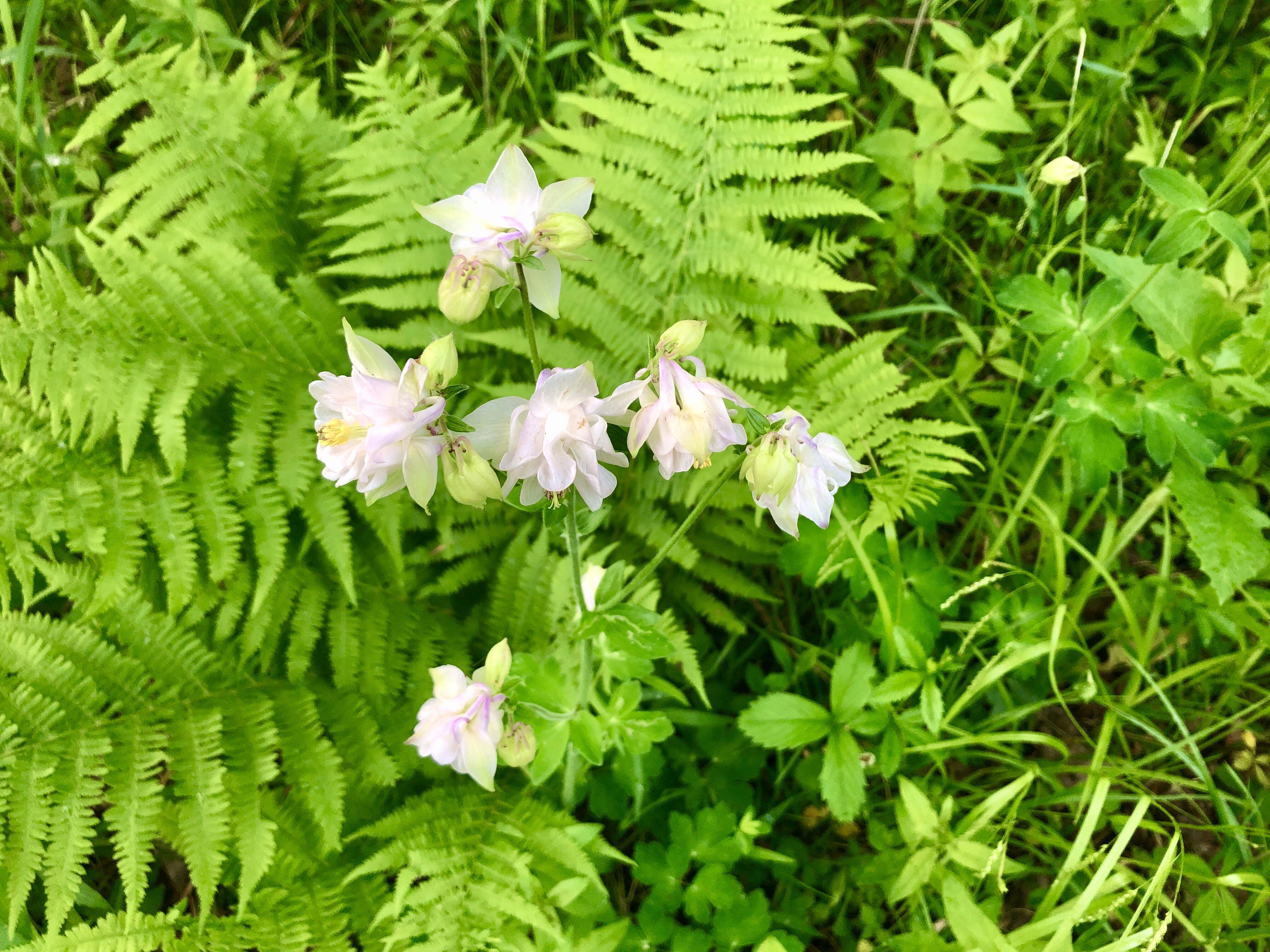
I have added it to my adventures when I go birding. This morning I got so engrossed in trying to identify some white flowers (they were Columbines but I did not realize they could be white as well as purple), that I found I was tuning out the sounds around me. I had stopped listening for birdsong. I had to bring myself back into the audio sphere in the trees once I walked away from the flowers on the ground.

Common Columbine
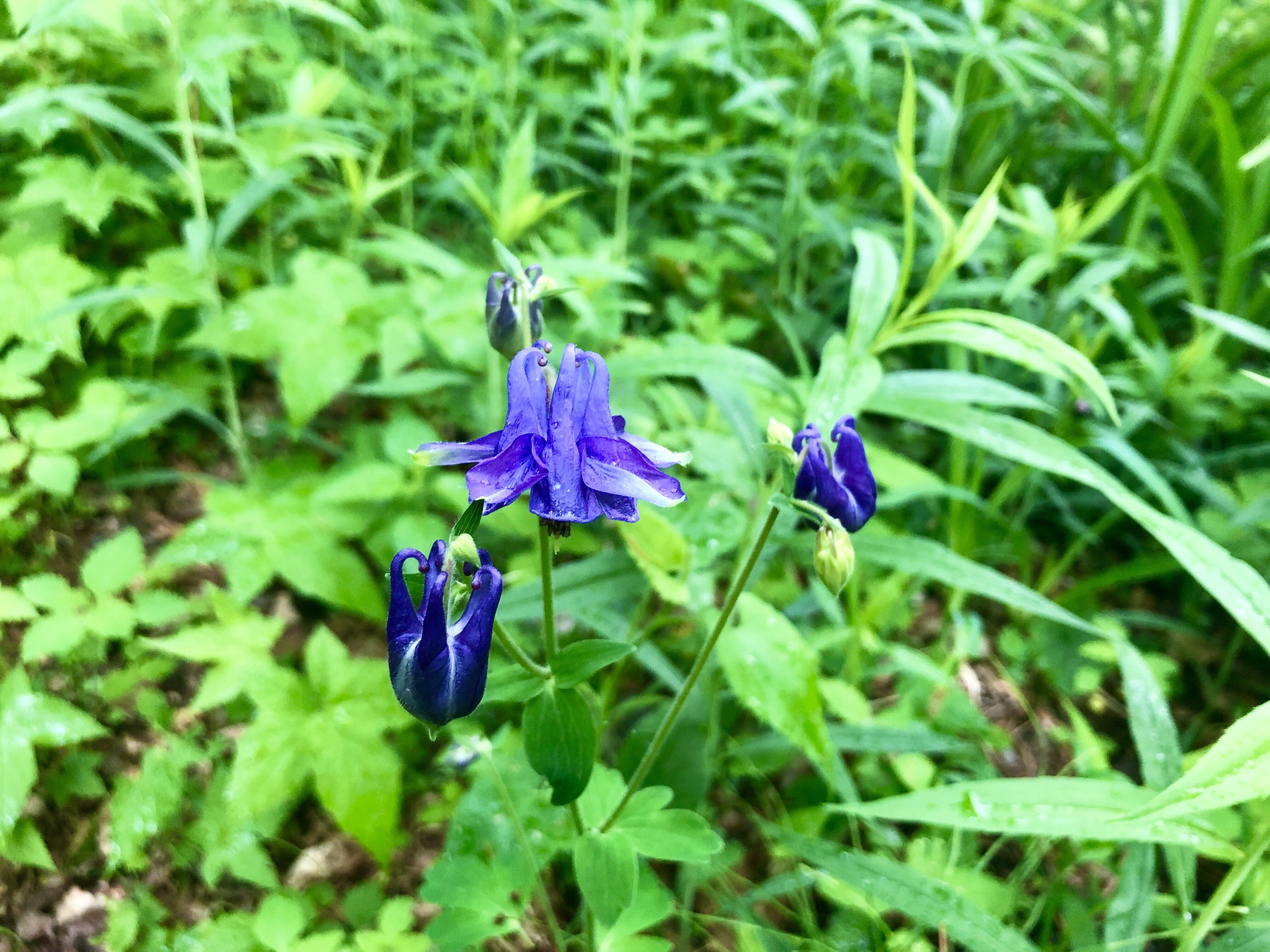
Common Columbine

Many of these flowers will be gone soon. They are ephemeral. Others will bloom, however, as the summer progresses. I will keep trying to identify them. Some day I may know when to expect them to bloom, and when the next flowers will appear. I am not there yet, of course, but I keep learning. I can’t keep my curiosity in check, so I will keep wondering. And I will keep trying to answer “What is that?”

Golden Alexander
Canada Mayflower
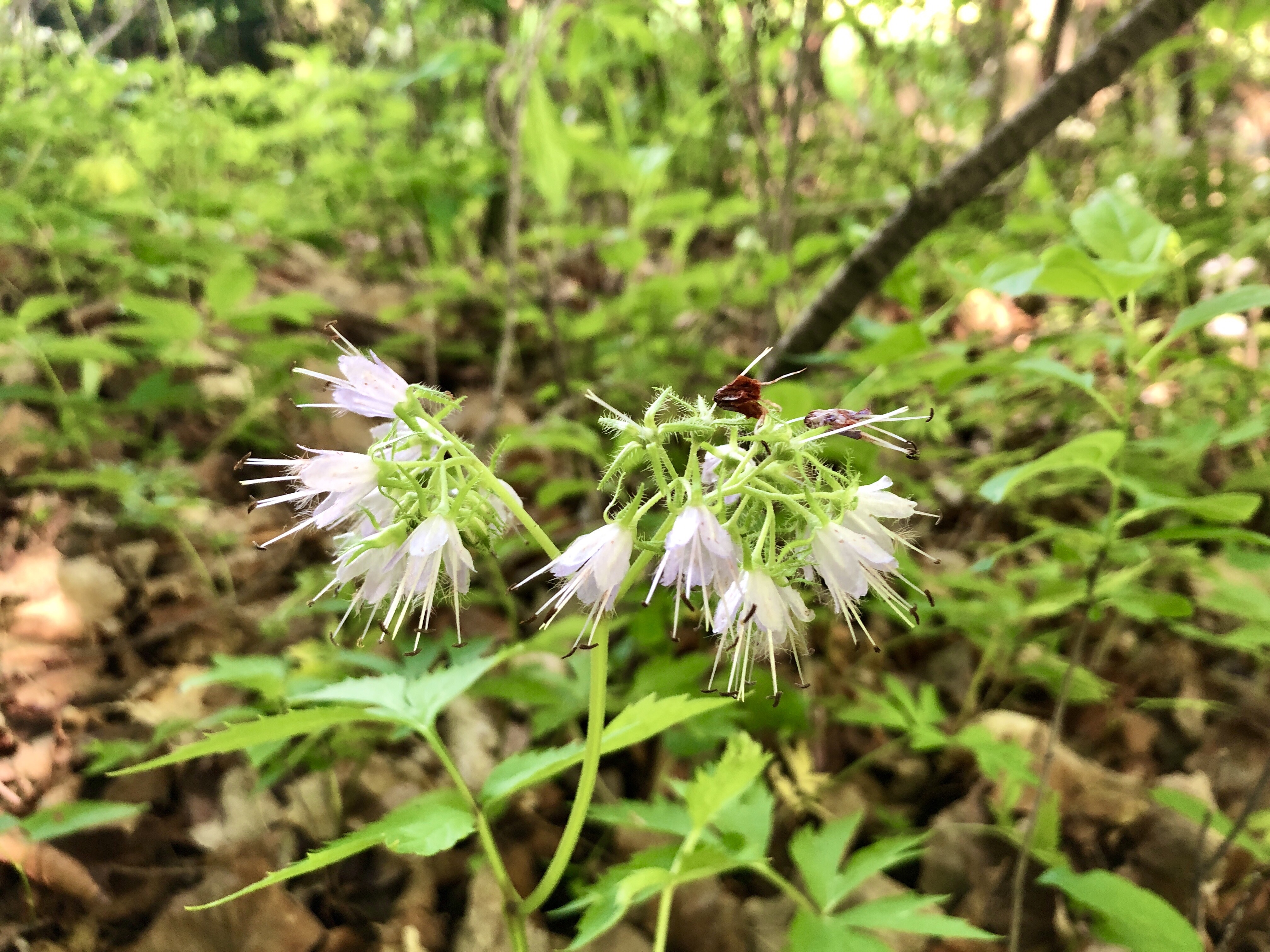
Virginia Waterleaf
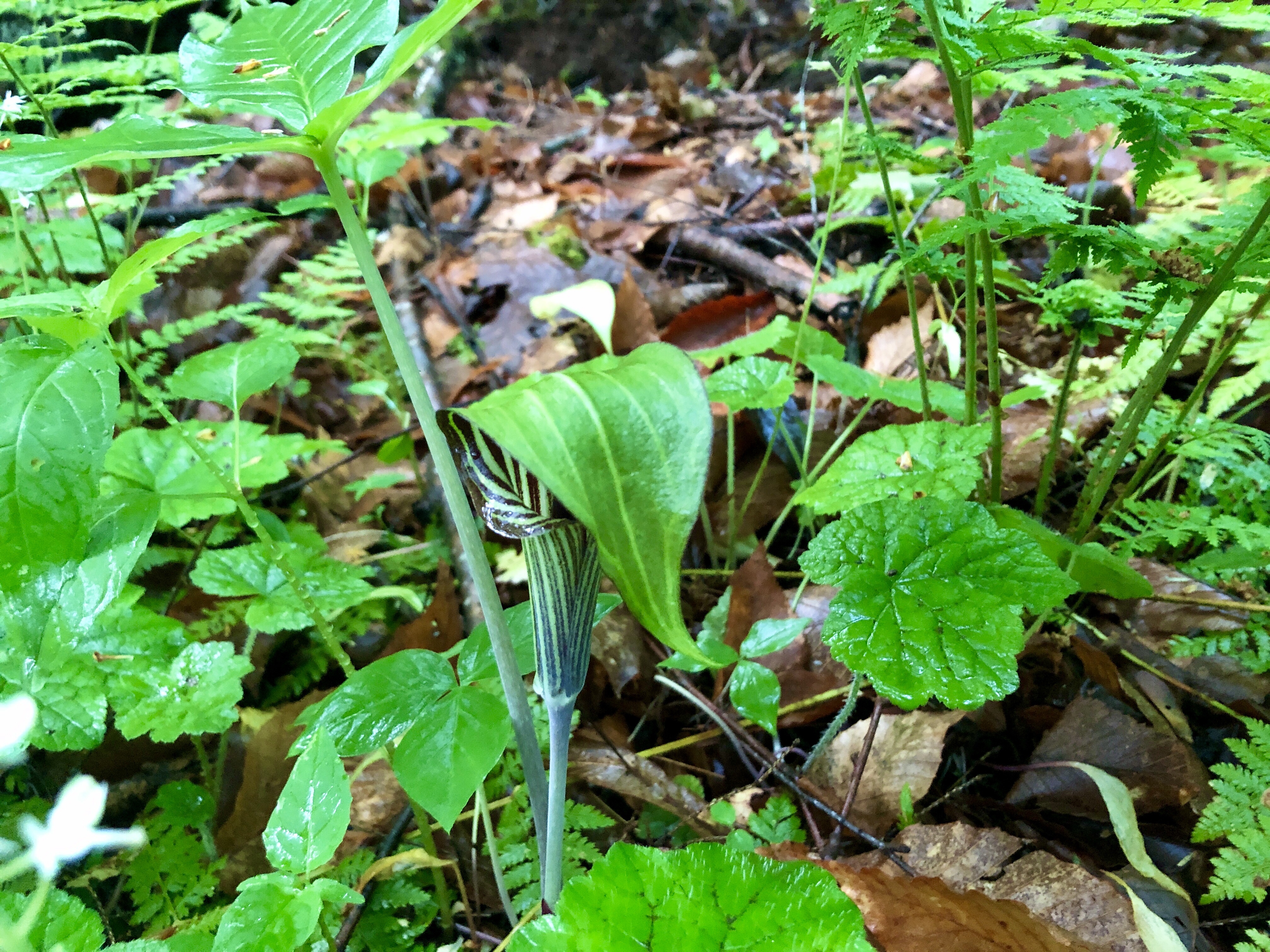
Jack-in-the-Pulpit