Berries and Jam

I was afraid that we would be too late to pick blueberries. I drove by the sign early in the morning: Pick Your Own Blueberries. Late August, but not too late. I called Pelkey’s Farm in Charlotte to see if they really were still picking, or if the sign just hadn’t been taken down yet. It was past peak season, the young woman on the phone told me, but there were still plenty. So that hot afternoon my son and I drove over and picked us some berries.

The description I got was about right. The huge berries you can rake off the bushes to fill your bucket in a half-hour were scant. There were lots of smaller berries, more spread out, and they were as tasty as they get. It was hot in the summer sun and we were slow, but still we managed to pick a good amount. My bucket was a little more full than my son’s, but I let that slide and got him (and me) a creemee afterwards. Vanilla creemee with fresh blueberries dotting the top?  Saying no to that would just be cruel.

IMG_5097

Berries in the bucket

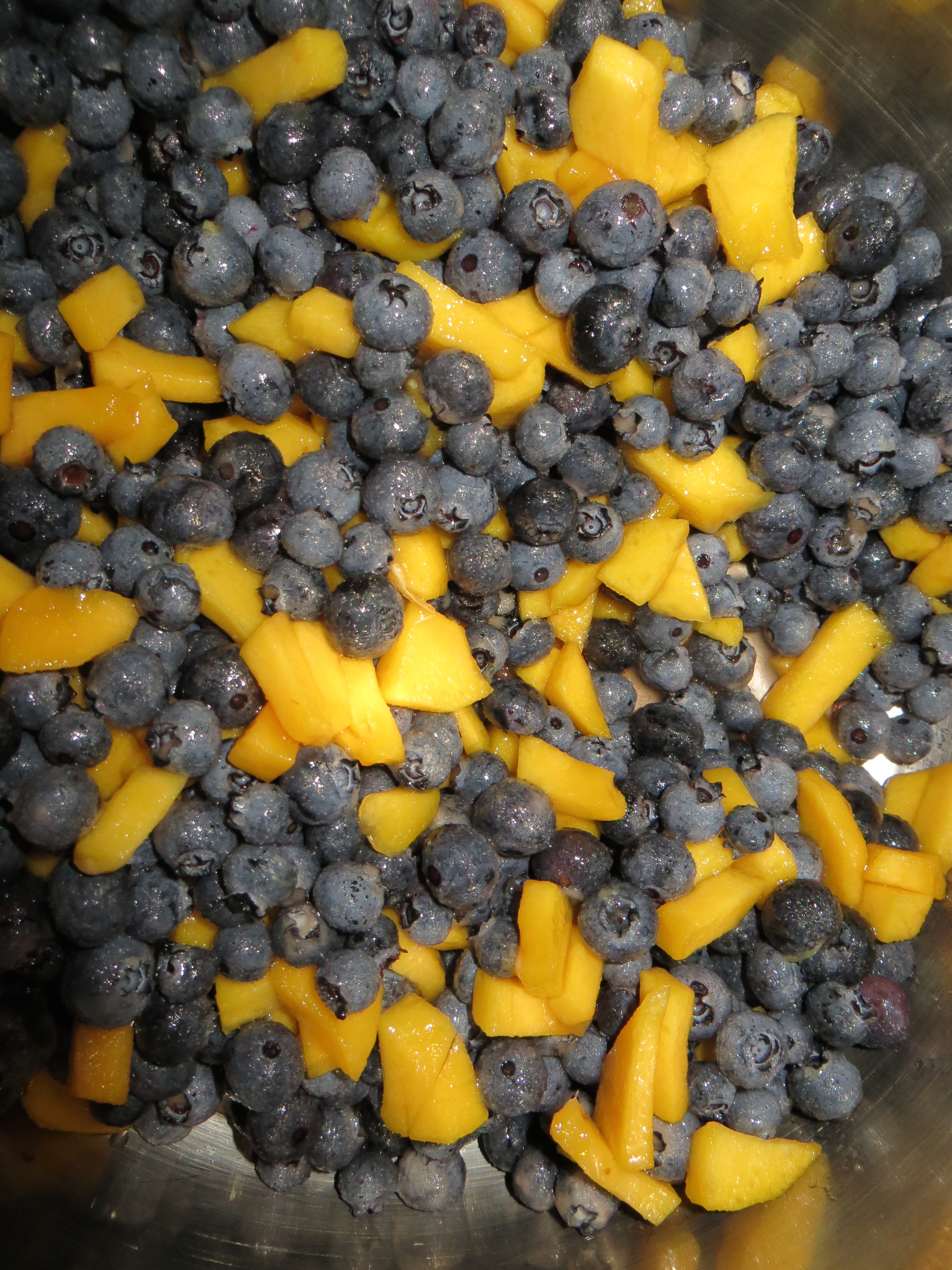
When we got home I measured out a few cups to make jam (the rest we would polish off fresh). I washed them and gathered the rest of the ingredients to make jam. I cut up a mango and tossed that into the pot with the berries before turning on the heat.

Fruit ready to get transformed

Fruit ready to get transformed

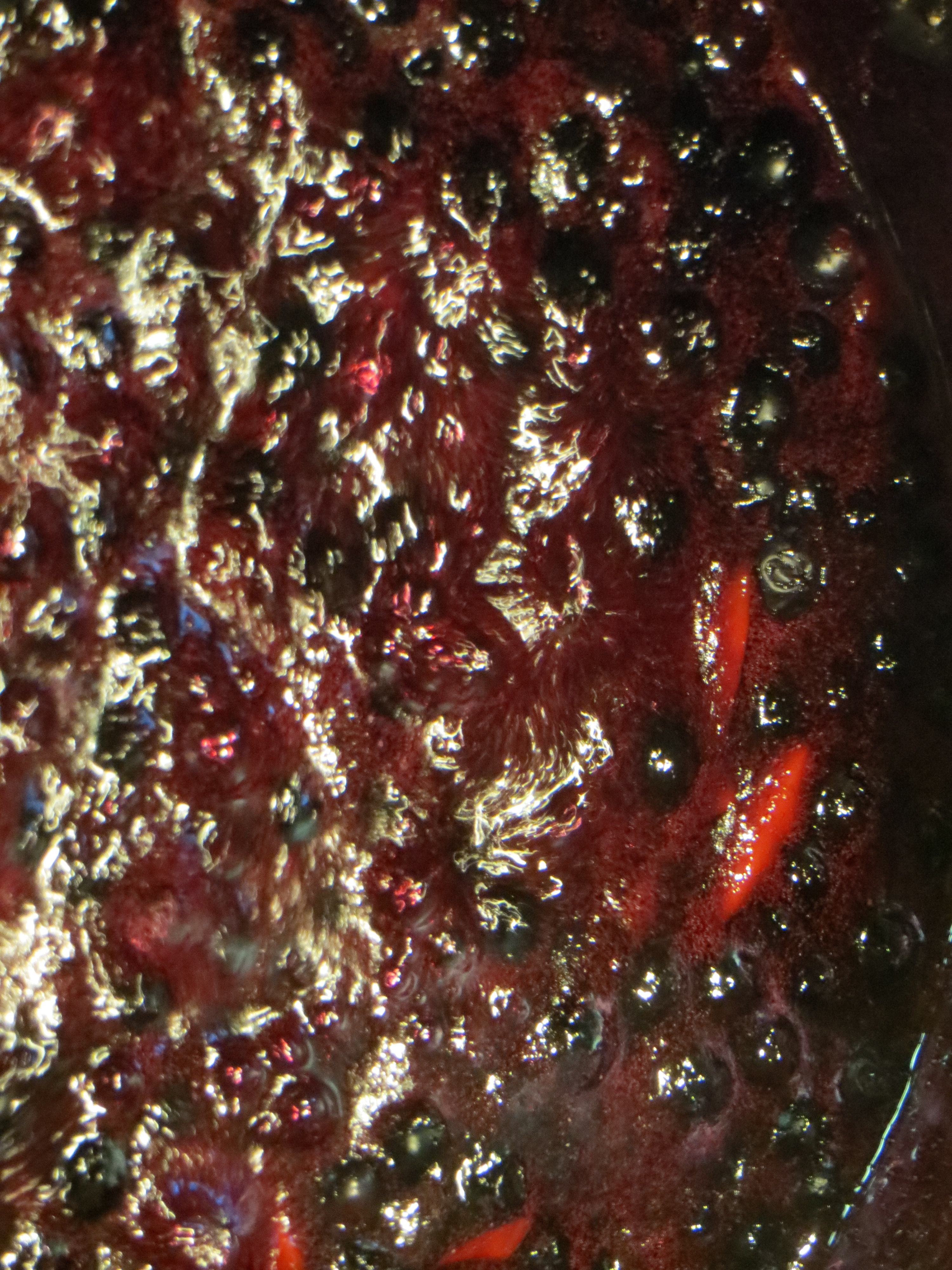
That fruit turned a bit to mush once it got warm. With a little sugar stirred in we had us some jam. Of course, eating all that jam would take a while, so I poured it into jars and canned it. One of the jars didn’t seal, which was a first for me (lid not on properly? jam on the rim? not sure) but I still got seven jars to keep for later. I will swirl that one rogue jar into a coffee cake so it isn’t all that much of a loss. We will be tasting summer in the winter, even if it has all that extra sugar. Blueberry mango jam on some fresh bread on a snowy morning? I’ll take it.

Sweet goo

Sweet goo

Blueberry mango jam cooling on the counter

Blueberry mango jam cooling on the counter

Mowing and Meadowlarks

IMG_4554

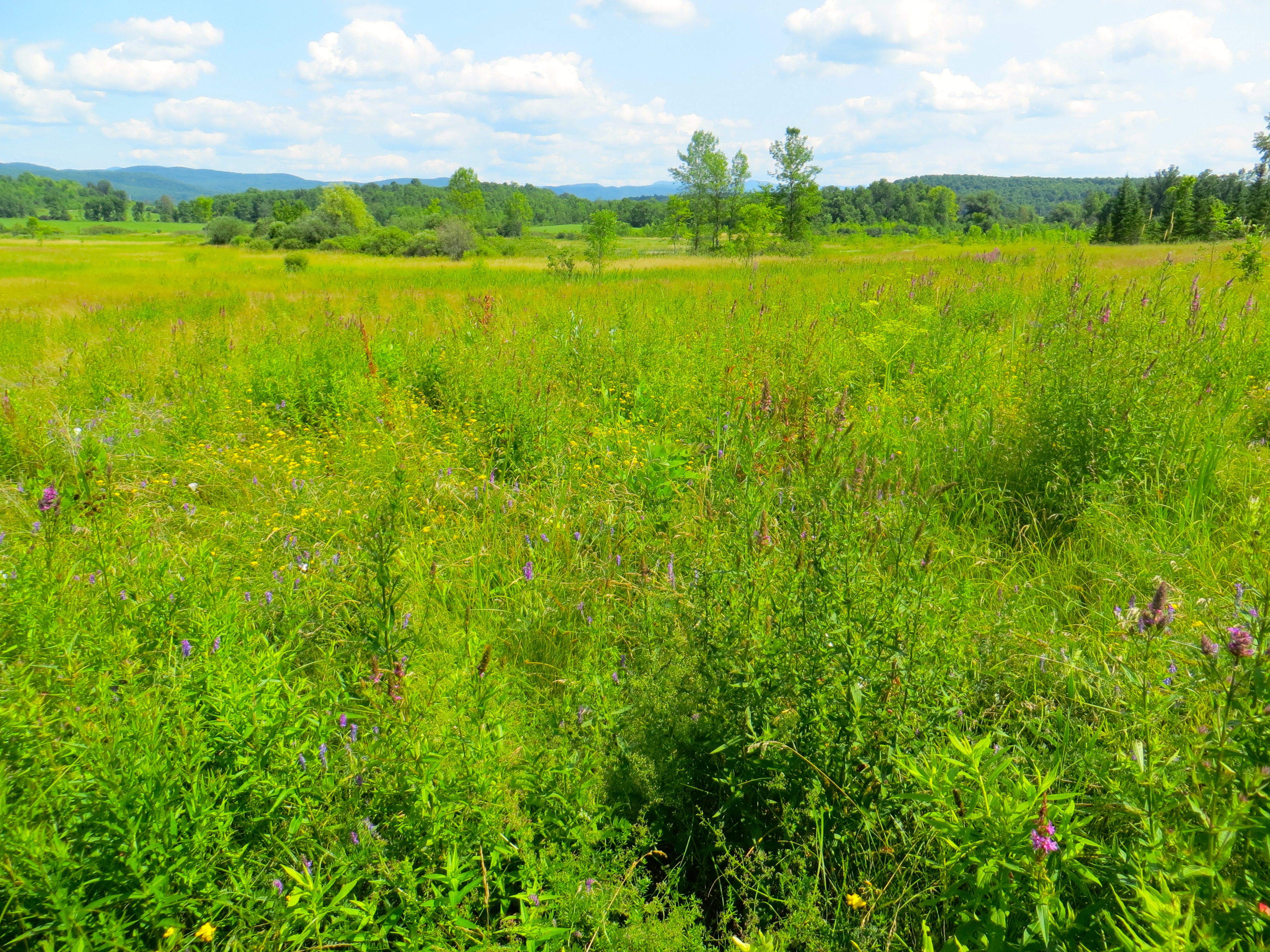
This is the time of year when we get around to mowing our field. We have ten acres of meadow. When we moved here it had not been cut in several years and it was starting to get scrubby. Cattails grew in a wide swath. Ash trees were sprouting and willows were standing out among the grasses and wildflowers. Actually, the grasses were pretty limited. The field had long passed the point of being suitable for haying. We wanted to turn that around.

One reason we wanted to turn it around was Bobolinks. There were Bobolinks nearby, in adjacent fields and up the road, but none in our field. It was just too overgrown. They like to nest in grasslands and our meadow was quickly reverting to woodland. We borrowed a tractor with a brush hog and cut it, cattails and all. We did the same thing the next year. We were not, however, especially deliberate about it. We cut it when we had access to a tractor and it worked. Grasses started to grow and it looked good.

I have learned a bit about this small habitat of ours since those early years. First, we have three invasive plants (more I am sure but three major ones): wild parsnip, purple loosestrife and reed canary grass. The purple loosestrife was the worst at first and those early cuttings really made a difference. We still have it but it hardly dominates like it did. It has beautiful flowers which get visited by butterflies and hummingbirds, so it is hard to hate it, but I would rather it did not take over.

The reed canary grass I started learning about recently, even though it was pointed out a few years ago. It, too, is a beautiful plant, which is why it and purple loosestrife are both used as ornamentals. It grows in thick mats and apparently can be hard to eradicate. This grass isn’t too bad yet–we have a few patches but it has not taken over.

The real villain is the wild parsnip. When we first encountered this plant we thought it might be wild dill. It is tall with yellow large-headed flowers. I looked it up and learned that the roots are edible, hence the name. It is, however, not a pleasant smelling herb or a ready food source. It is a menace.

There are fields where wild parsnip has simply taken over. The plants can get to be super tall–eight feet sometimes–and they will push out native plants. I have seen fields where it is the only plant visible. If those fields eventually grow up into woods the wild parsnip will disappear, but in sunny fields it is a bully. Moreover, the plant is toxic. The oil from the plant can rub off and, when exposed to sunlight, can cause chemical burns. Photoreactive is the word. In short, we wanted to make sure it does not live in our field.

The solution would be to simply cut the field several times a year to keep invasive plants from growing and to let native grasses grow up. So simple. The problem is that birds nest on the ground. Bobolinks have started to nest in our field since we started cutting. Also nesting on the ground: Red-Winged Blackbirds, Savannah Sparrows and, most recently, Eastern Meadowlarks. The biggest enemy of these birds is the mower, so cutting when the birds are nesting is bad juju.

Now we try to be deliberate about when we mow. The trick is to wait long enough for chicks to have fledged but to get to it before the wild parsnip has gone to seed. That would be right about now. Pretty much. Red-Winged Blackbirds and Bobolinks are hardly around at this point, so I am not worried about them. The Meadowlarks, however, are still chattering away and flying all over. They may be on egg clutch number two, and there are at least two pairs.

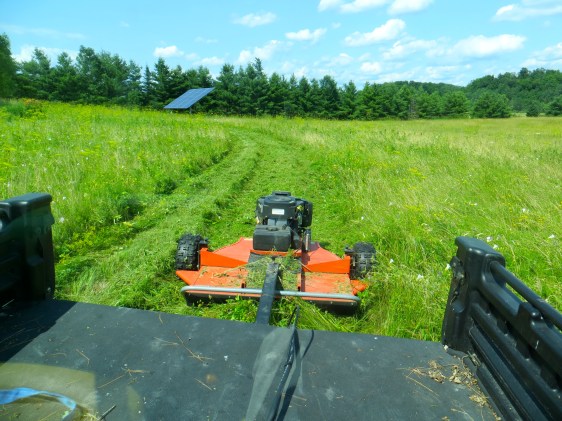
This year the compromise was clear–cut the front part of the field where the parsnip is the worst and leave the back part of the field, where the birds are nesting, to be cut in a couple of weeks. Yesterday, after mechanical issues that finally got solved, I got on that. It was like scratching an itch. Mowing down those wild parsnip plants, several of which were taller than me, felt good. I was relieved that, unlike last year when I cut it, none of it had gone to seed yet. Phew.
IMG_4557

Brush hog doing its work

There is still more of the field to cut, of course, and wild parsnip is in there. Hopefully, however, because so much of it is newer growth, it won’t be too bad. I may look to do a second cutting in October or November. That would help with the canary grass, and the birds will be heading south by then. I thought I might do that last year and never got to it, however, so I’m making no promises.

As I write this Meadowlarks are calling and Savannah Sparrows are singing. Leaving the most grassy part of the field for now is clearly the right choice, but I will look forward to seeing those yellow wild parsnip heads get shredded when I finish the job.
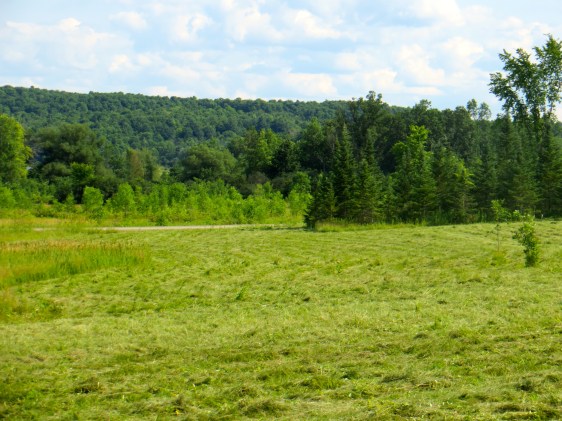
Upper field cut

Upper field cut with a couple of small trees left for birds to perch

Strawberries Finally Ready

IMG_4118

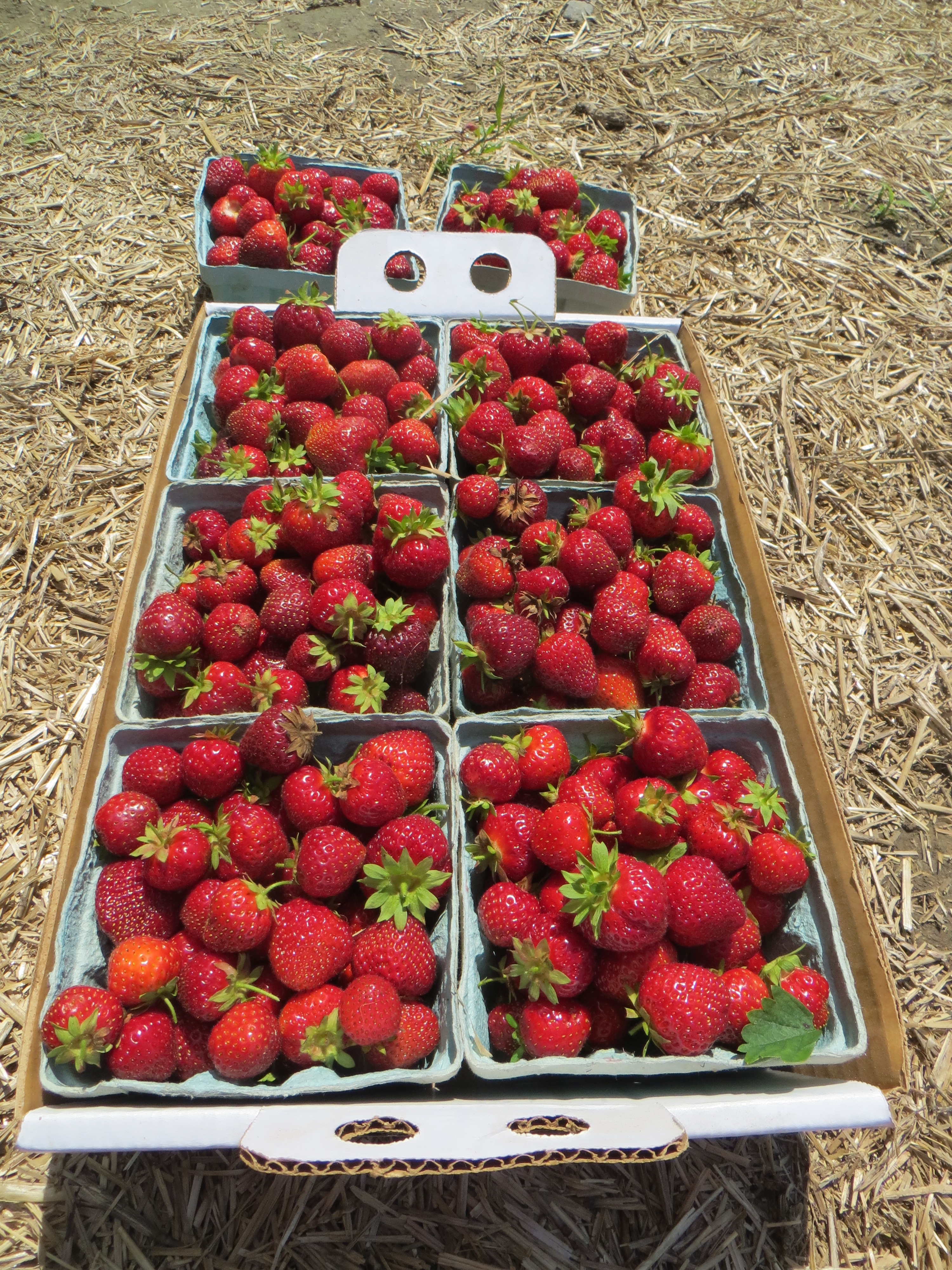
My son and I went and picked strawberries the other day. It took us no time at all to pick eight quarts. It was a warm day but the berries were plentiful. We ate a few but brought most of them home. Norris Berry Farm in Hinesburg did us right.

We have about two quarts left. I used two of them to make jam. It is the best strawberry jam I have made yet. I canned five small and five tall jam jars. I only had seven lids (thought I had more) so did would I could. I scooped the jam that wouldn’t fit into jars into a bin for the fridge. I would have had more left over but I had a kind-of enormous boil-over. That was a bit of a mess–sticky strawberry goo all over the stove top. I had thought about using a larger pot but did not. I won’t make that mistake again. Gotta love experiential learning.

I froze two quarts and we have eaten a couple of quarts. We had a fresh quart from the market already when we brought home the ones we picked. I have been eating them with yogurt and granola for breakfast and then having some straight up with lunch, and I am not the only one in the house who is painting his teeth pink. If the season doesn’t end too quickly I may have time to go pick more. The season does not last long in any case, so I want to eat as many as I can in the present. Can I get strawberries other times of the year? Sure, but in January they taste like wood with just a hint of strawberry flavor. That just isn’t what I’m talking about.

Rows of berries stretching into the summer sun

Rows of berries stretching into the summer sun

Your Typical July 4th Parade

Went to the parade on Friday. 11:00. It passed through town and ended down by the post office. It had your usual ingredients:

Floats

Floats (plus fun hats)

Firetrucks

Firetrucks

Tractors

Tractors (the pink tractor that usually appeared did not appear–bummer)

Horses

Horses

Plus a 1952 Citroen--now that's patriotic!

Plus a 1952 Citroen–now that’s patriotic! Maybe we should have a parade on July 14th with this puppy in the lead.

We stuck around town for some free ice cream offered by a local church (You’ll love our other Sundays too!) and watched some kids get wet in the dunk tank. It wasn’t hot. I could have used a sweatshirt. The dunk tank did look fun, however.
At days end we watched the fireworks from our porch. A few of them of them were a little hidden by the hill, but behind the screen we had no mosquitoes. The highlight was one burst that spread out into a huge smiley face. We ended the day happy, all independent and stuff. Hope you had a happy Fourth yourself.


Breakfast and Biking and Building

IMG_4055

A stop on the Burlington bike path

We slept out on the porch last night. A section of it is screened, so we set up cozy beds on the couch and had our Z’s outside. We woke up later than I thought we would, given that the birds are singing at 4:00, about 7:00. I gathered some things while my son rubbed the bleariness from his eyes and then we headed to town.

First stop was Penny Cluse Cafe. They have the best breakfast around. My son had buttermilk pancakes, which he said were almost as good as mine. Right thing to say. And he wasn’t even after ice cream. I had beans and eggs and corn muffins–not something I typically have at home, which was the idea. Coffee, fresh-squeezed orange juice–we were good to go on the meal front.

Next stop was the Ski Rack to pick up my son’s bike that had gotten some service. We rolled that outside, pulled my bike from the roof rack and, with full water bottles and some snacks, we headed to the lake. We passed the waterfront area and headed north on the bike path.

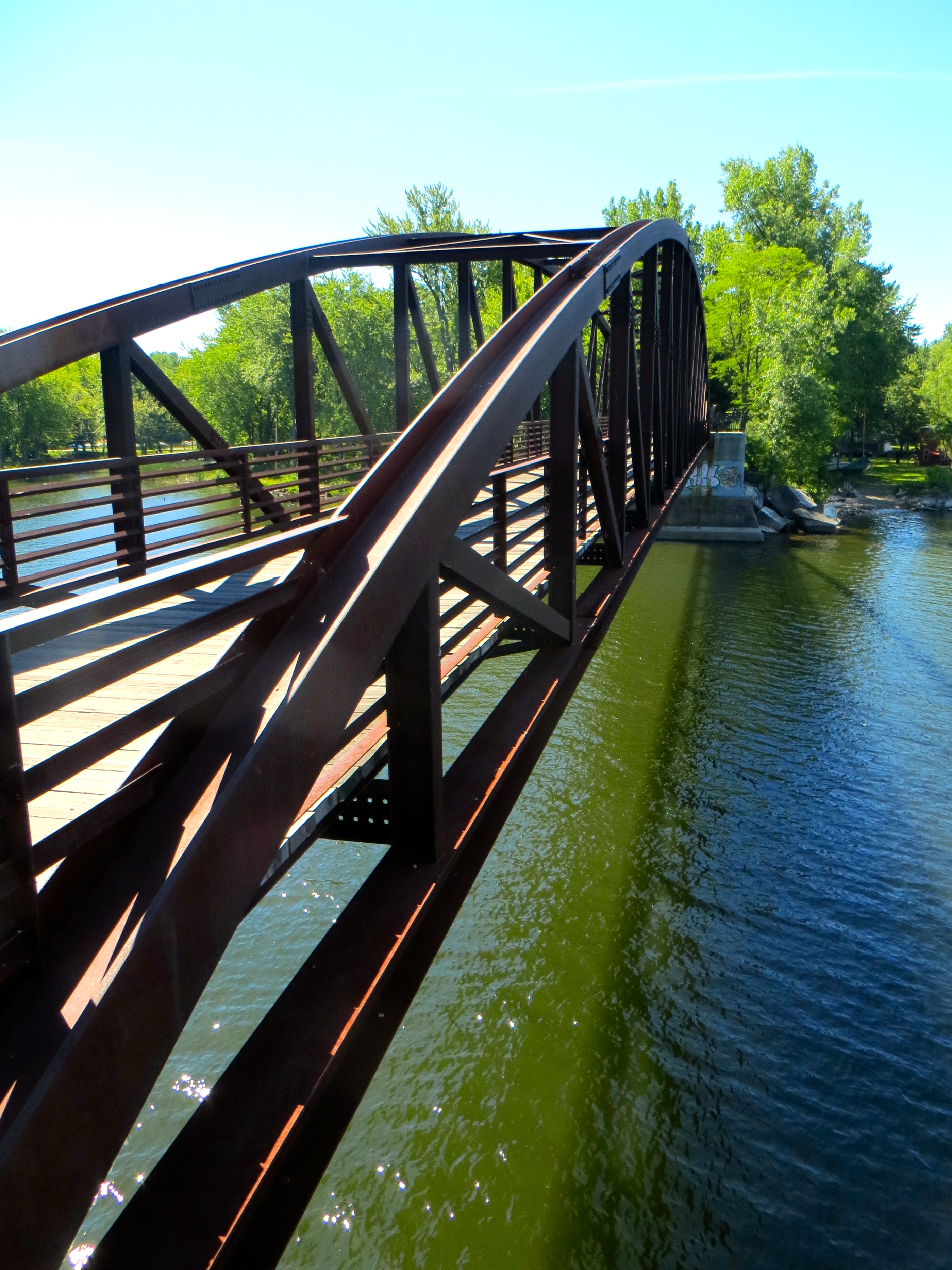
It could not have been a more perfect morning. Sunny, just warm enough, the lake and sky a summer blue. We pedaled our way several miles until we came to the bridge across the Winooski River. We stopped to look out at the river and the lake and the wetlands. Then we went a little further into Colchester.

Looking back toward Burlington

Looking back toward Burlington

We parked our bikes and checked out the lake, just off the bike path. Now that the water is finally low enough we could walk out to the marsh. We saw a couple of great egrets, a great blue heron and I finally heard marsh wrens. Those marsh wrens bring me up to 172 different bird species I have found in Chittenden County this year. I am aiming for 175, at least. I think I’ll make it.

We also saw basking map turtles

We also saw basking map turtles

Then we headed back south and parked our bikes outside ECHO, Burlington’s science center, to do some building. The rotating exhibit currently features KEVA planks, flattish rectangular blocks. There are some amazing structures there on display. We got there just in time for one of their daily challenges. We had five minutes to build a bridge. We teamworked it and did pretty well:

IMG_4061

I had started my own bridge before the challenge started and decided to enhance that one:

IMG_4064

We will be back to build some more this summer while the exhibit lasts. It is way fun.

Back home, my son got picked up to hang with a friend. I got some more painting done once the shade shifted around to right spot. We won’t have quite the blast tomorrow, but I am hoping it will be a decent one. We will sleep on the porch again and wake to the morning sun. No Penny Cluse tomorrow, but I can make pancakes at home. Apparently, they are pretty good.

First Day of Summer Vacation

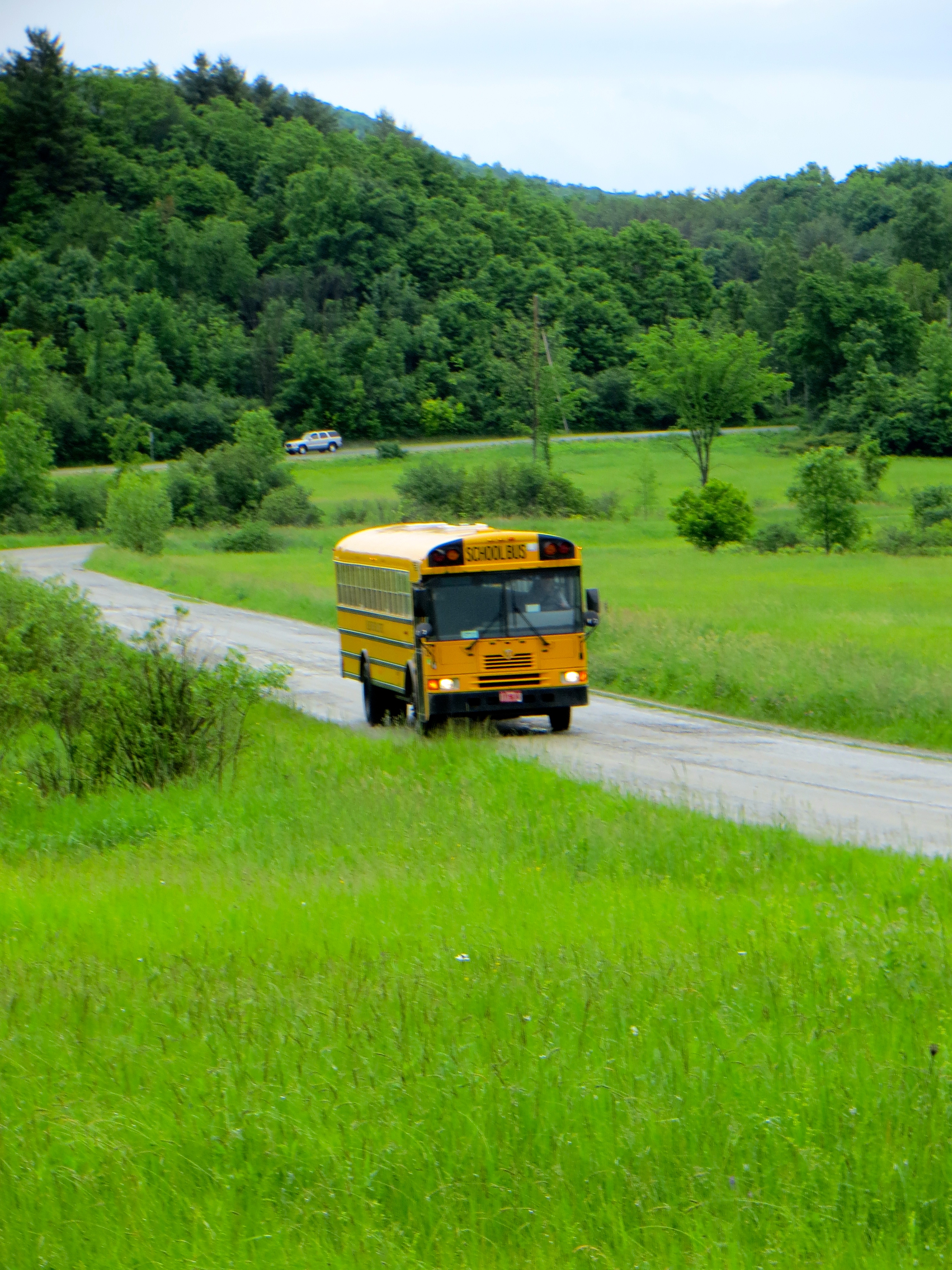
School bus ready to make the last drop-off of the year

School bus ready to make the last drop-off of the year

Last Friday was the last day of school around here. That means summer, for those young enough to attend school, began today. It was a stunner of a day–warm but not hot, sunny but not too sunny. My son went off to a baseball “school” (don’t tell him that they call it that) for the morning and I spent time with my daughter while my wife went to work. I read a book to her (Lost Children of the Far Islands by Emily Raabe–really fun to read together) for a while, ate a good breakfast and had some coffee. I had already gone birding early this morning. The day started well.

And you know what? It was a great day, straight up. I read a little, ran some errands, took the kids for ice cream. My trip to the hardware store wasn’t much of a success but there is tomorrow to try again. I had a huge salad for lunch, thanks to all the goods from our farm share. How can you beat a fresh salad in the summer? Can’t.

I will get a repeat of the day tomorrow, with a few more things to take care of. These are the kinds of days I like. I have a chunk of work I need to get done at some point in the next two days, but I will get it done. I hope. I’d rather just hang out on the hammock. I will do that at some point, but the hammock will have to wait for now.

I mean, just look at how beautiful a day this is. Damn.

I mean, just look at how beautiful a day this is. Damn.

Mowing Complete

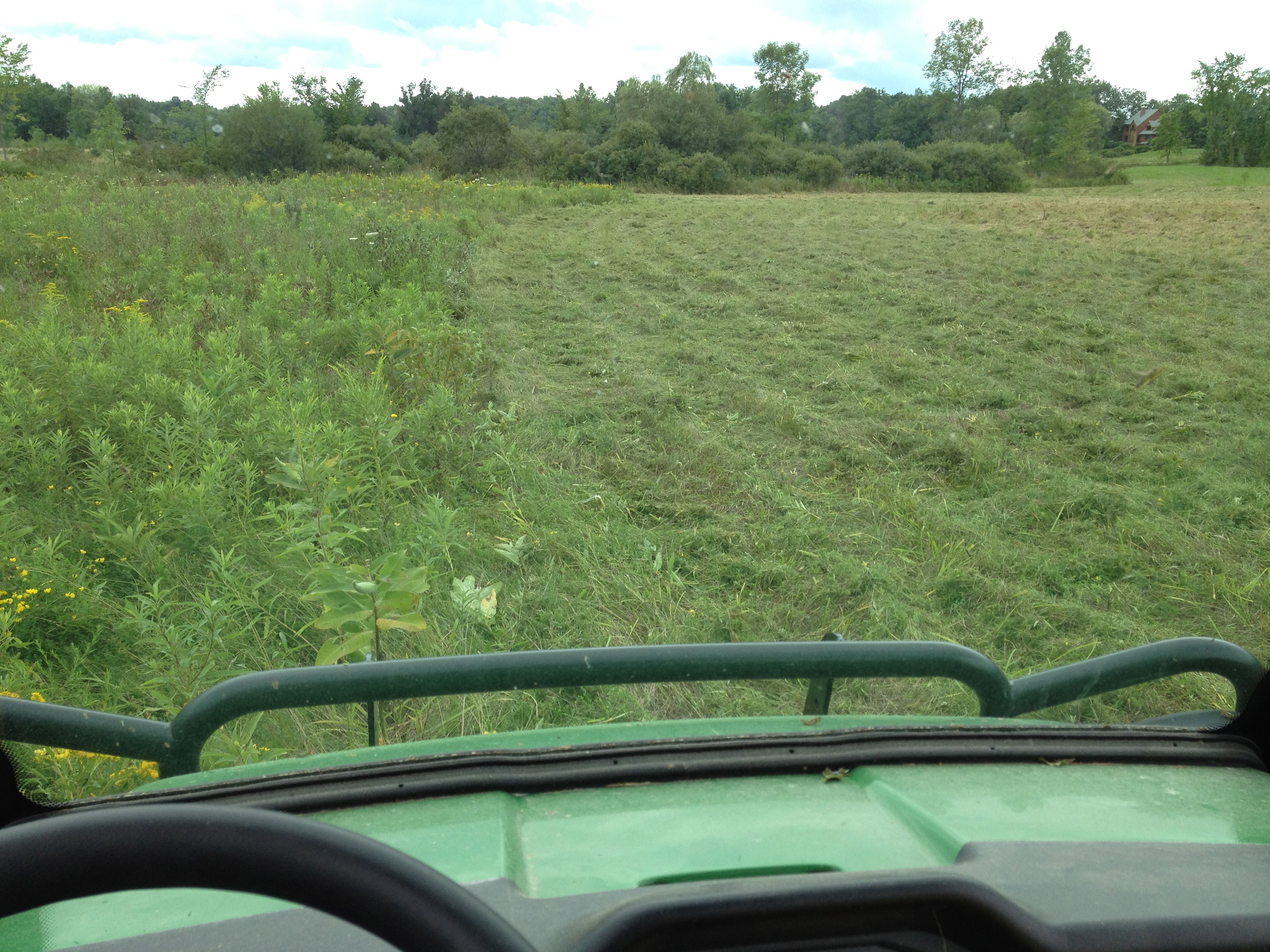
Tall stuff on the left, flattened on the right

I finally finished mowing our field today. We have a new set-up to make this happen–a John Deere Gator and a DR tow-behind brush hog. It worked remarkably well. Once we had all the parts and added oil and gas and started things up, I hit the field and got cutting. But I was stymied more than once.

In the past we have postponed our mowing due to the weather. The field was too wet or it rained when we had the time to cut. Or we didn’t have a tractor with a brush hog when we needed it. We were hoping this would take care of at least the latter issue. And it did, sort of. I started near the end of July. This was perfect. We needed to wait until at least mid-July so that any birds nesting in the field would have fledged. Bobolinks and red-winged blackbirds are ground nesters and we wanted to make sure they didn’t get chopped up in the blades. That is just bad juju. Also, part of the reason we are cutting all this vegetation is the wild parsnip–the stuff has taken over and we wanted to cut it down before it went to seed. That started off well.

Then I had a problem. I got stuck in reverse. I couldn’t get it into drive again. I shook the rig and wiggled everything around and eventually it went into gear. But then it happened again. So we called the dealer and they hauled it away to be fixed. Then, of course, we went away for a week. Two weeks after I started mowing I recommenced. I made some progress but much of the wild parsnip had gone to seed. I needed to get it done. And then, unbelievably, it got stuck in reverse again. Same problem–not fixed after a new shift cable was installed. They took it back and were not happy about it, but fixed it again–bent stick shift this time. They were patient, as were we, and soon the machine was back. Today I got back in the saddle and everything went smoothly. I finished mowing just in time to zip out to pick up my daughter from day camp.

The wild parsnip had almost totally gone to seed–it was brown and dry and sometimes the seeds scattered as I hit the plants. Not good. But those seeds would have scattered at some point anyway. I needed to cut it now and then cut it again later. The key to keeping this stuff down will be (hopefully) to just cut it again and again until it has nothing left to keep growing. It could take a while–maybe years. The good news, however, is that I also was cutting purple loosestrife, another invasive that has been super aggressive in our field. That had not yet gone to seed, so it should be less work to keep that back.

I may cut one more time this fall. That could mean we get more grass than other, more woody, plants come spring. That is good for the bobolinks. They don’t nest in our field much because it has less grass than surrounding fields. Maybe the birds will take a liking to our space and settle down to raise some chicks next year. If I don’t get to it, so be it. I at least will cut again next July and keep those invasives at bay. Unless I have trouble shifting again. But I will worry about that if it happens. For now I can be satisfied that one summer project is finally complete.


Too Hot

I love how there are still scientists out there who will not commit to saying that climate change is at least part of the cause of our recent severe weather. July was the hottest on record of any month since such records have been kept, and the last 12 months were the warmest such stretch. This isn’t a new thing here people. How many times do we get to hear “last month was the warmest on record” before enough of us wise up to the problem. The New York times reported this today, interviewing Jake Crouch, “a climatologist at the agency’s National Climatic Data Center in Asheville, N.C.” They wrote “Asked whether the July heat record was linked to rising atmospheric concentrations of greenhouse gases, Mr. Crouch said he could not draw that conclusion.” I get the impression that scientists are afraid to draw the obvious conclusion not because they are scientists but because they are afraid.

At least three scientists, James Hanson, Makiko Sato and Reto Reudy, have been willing to state that climate change is making a difference is out weather. In their report, Perception of Climate Change, they write:

“Climate dice,” describing the chance of unusually warm or cool seasons, have become more and more “loaded” in the past 30 y, coincident with rapid global warming. The distribution of seasonal mean temperature anomalies has shifted toward higher temperatures and the range of anomalies has increased. An important change is the emergence of a category of summertime extremely hot outliers, more than three standard deviations (3σ) warmer than the climatology of the 1951–1980 base period. This hot extreme, which covered much less than 1% of Earth’s surface during the base period, now typically covers about 10% of the land area. It follows that we can state, with a high degree of confidence, that extreme anomalies such as those in Texas and Oklahoma in 2011 and Moscow in 2010 were a consequence of global warming because their likelihood in the absence of global warming was exceedingly small. 

Note the last sentence. They took some heat for this. There are plenty of people who, mysteriously, continue to look (or not look) at the science and fail to see the problem for what it is. I am a bit mystified by what anyone has to gain by perpetuating the “hoax” of global warming. What scientist wants to be wrong? Why claim something isn’t true? In the science community a falsehood will get found out eventually. It’s not like this is a good thing. That is why it is a problem. Sure, you can call global warming a theory and say it isn’t proven. You wouldn’t be wrong. But you can say gravity is a theory, too. Go ahead and tell people that isn’t real.

Anyway, it has been to hot around here this summer. When we get rain, we get a big storm blasting through. Eighty degrees is now a normal daily temperature. That used to be hot, and plenty uncommon for me. We now use an air conditioner at night too often. What gives with that here? It is not just because we are getting older and can’t stand the same old heat. It ain’t the same old heat. Somebody needs to put in a lake at our house.

Call it controversial. Call it a theory. Call it a debate. Heck, call it Fred. It is not going away. It is hot and the weather is crazy. At some point human caused climate change will be a matter of general knowledge in the United States. We’ll catch up to the rest of the world eventually. In the meantime I am going to go make some cool drinks.


UPDATE: Here is another Times article that offers some perspective on the “new normal” with this gem: “it is increasingly clear that we already live in the era of human-induced climate change, with a growing frequency of weather and climate extremes like heat waves, droughts, floods and fires.” That cool drink is going to come in handy.

Smash

Don’t you just want one?

I was recently introduced to the smash–muddled fruit mixed with simple syrup and spirits, topped with crushed ice. So I made one yesterday. It was hot. Let me tell you that baby was refreshing and delicious. I made it with blueberries and a peach and orange vodka. I sipped it while grilling vegetables on the deck. I looked out over the green fields and truly enjoyed a moment of summer. I will be revisiting the smash again during these warm days. Summer is short.

Walking Over to Pick Up the Goods

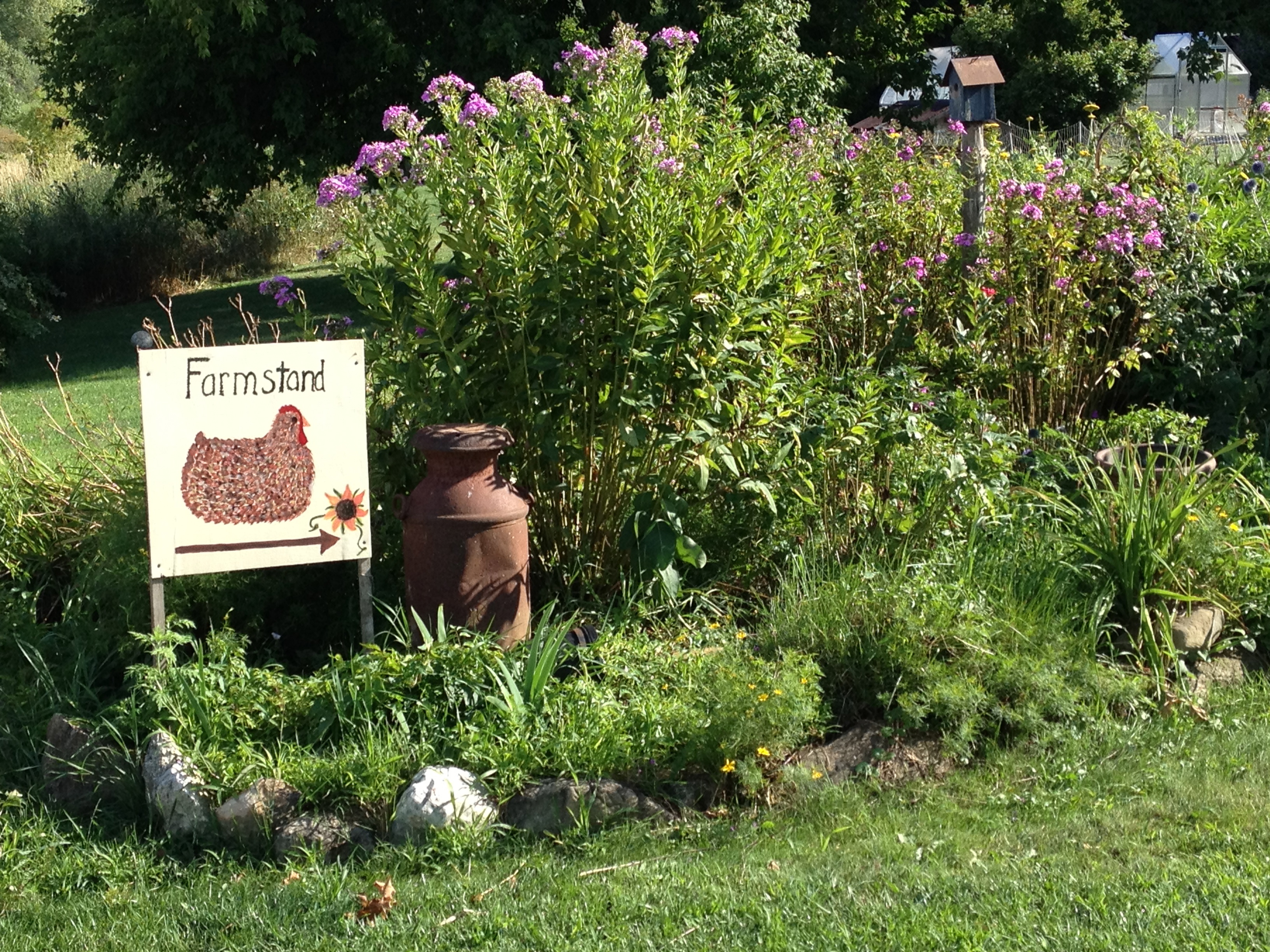
Yesterday I picked up our farm share. We switched this year from Stony Loam Farm to our neighbors who offered shares for the first time this year. We loved Stony Loam but the Needham Family Farm is close enough that we can walk there. It was hard to give up a relationship of several years with some folks who are just plain awesome, but this made sense to at least try. Typically more than one of us walks over; often we all do as a family. But yesterday I went solo since I was the only one around. It was a fine day for a walk.

The Needhams do things a little differently. Instead of a box that we pick up on a certain day of the week, their farm stand is open every day. We go on the day that works best for us. And instead of a particular allotment of produce, we choose from what they have. We get a set number of points each week and can divide those points how we want. The have produce–this week included kale, swiss chard, lettuce, beets, zucchini, summer squash, peas and some other stuff–and they also have eggs (we get these every week), frozen chickens, maple syrup, honey, granola, quiches, pies and other prepared foods. This week I picked up a jar of honey since I was planning to put some in the beer I made today. I got beets and squash. I walked home with a bag full of good stuff.

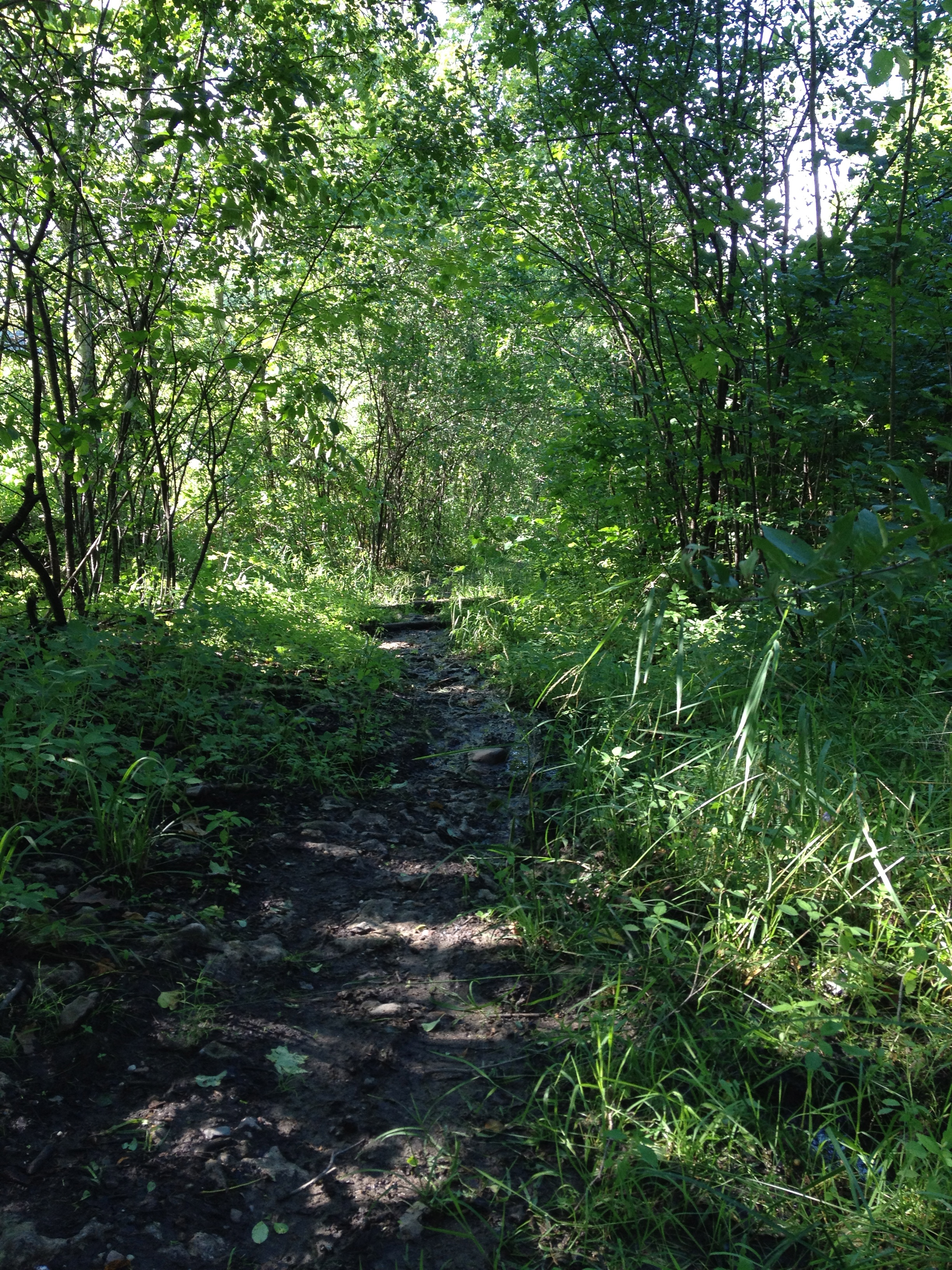
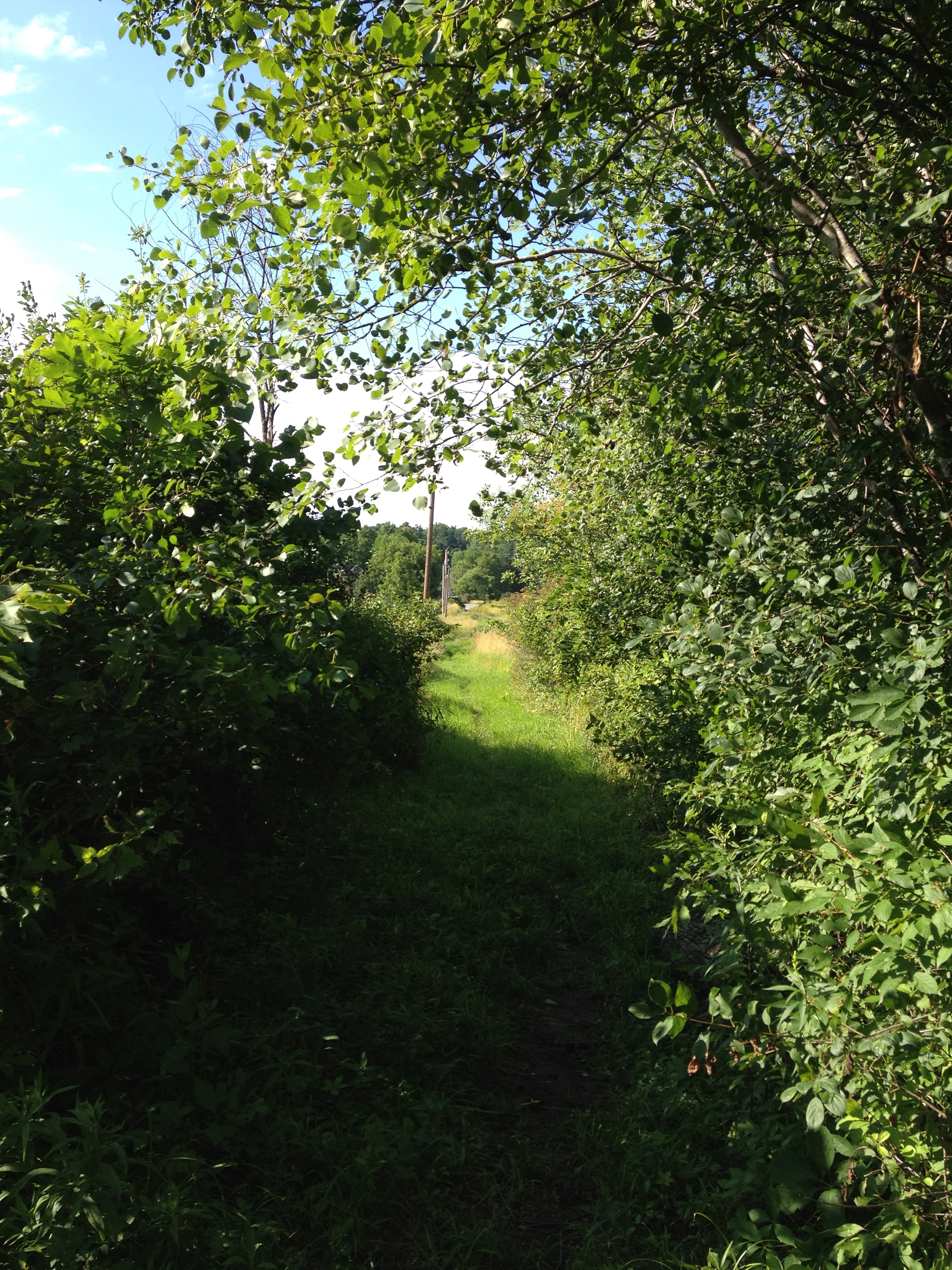
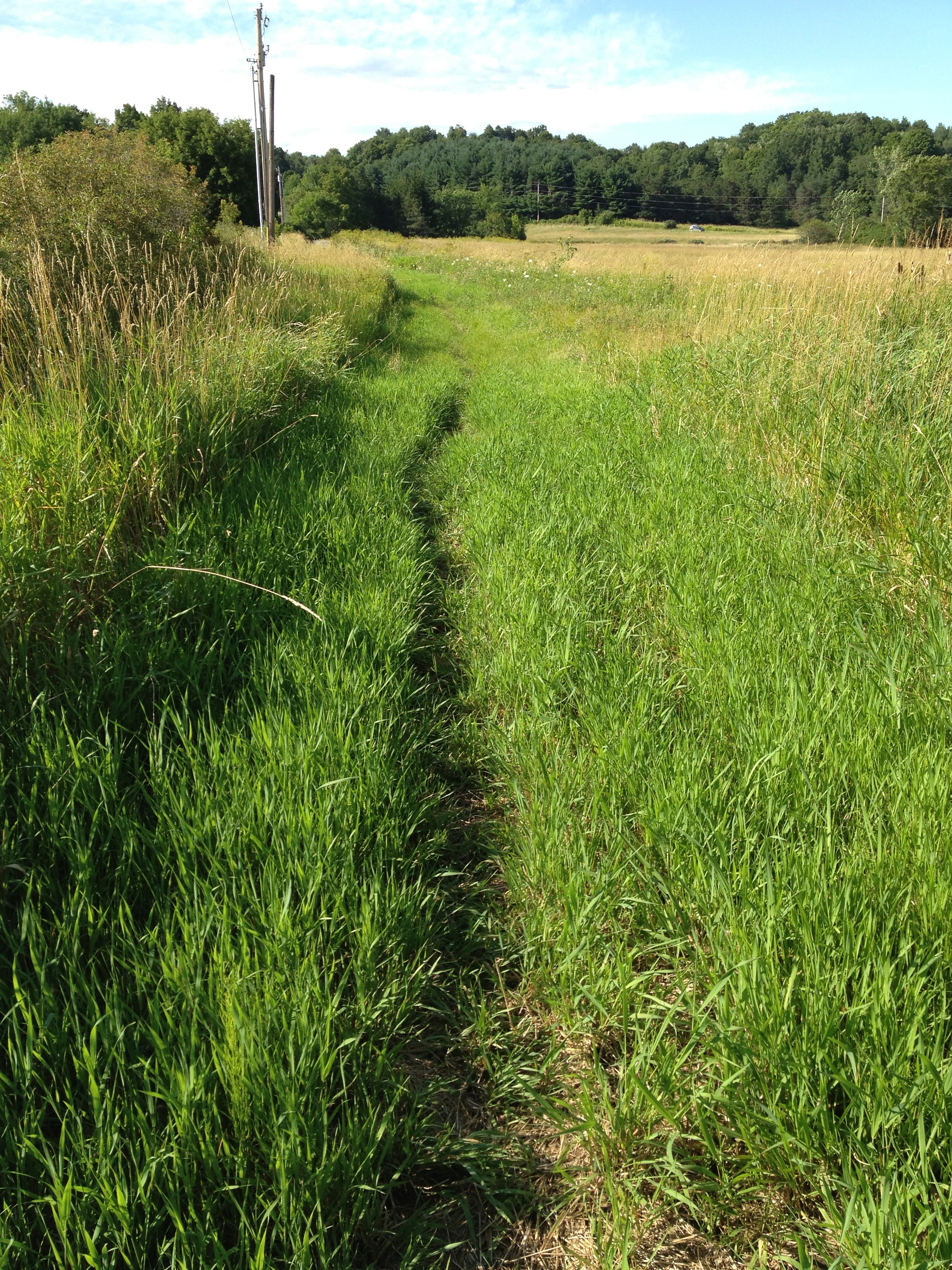
This is working out well for us so far. We were away last week and picked up our share when we returned on Saturday; we did not worry that we would miss pick-up day. It isn’t perfect–we missed out on the early tomatoes because there just are not many and they are popular, and it is less social than meeting everyone else who has shares on pick-up day–but overall I am happy with the system. Simply being able to walk over makes working with the Needhams a good deal. It may be muddy and it may be dry. The deer flies may be out or they may not. The oaks will be there on any day, however, and the path will offer a mini adventure any day we go.

Heading Through the Woods

Transition Zone

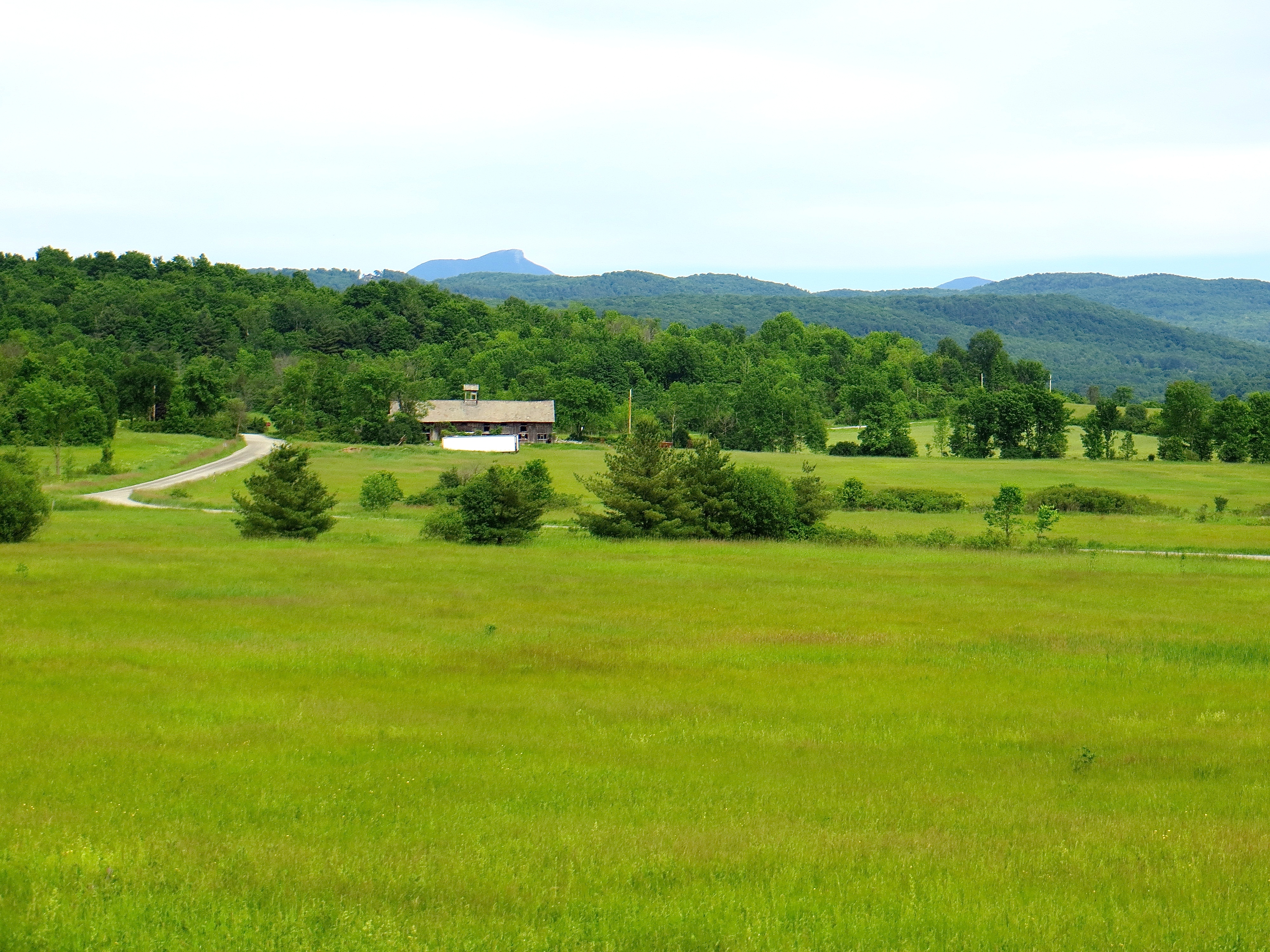
Across the Field

Arrival at the Needham Family Farm